
Insights & News
Technical Insights & News Feed.
Construction guidelines, industrial design papers, and news from our executive desk.
Loading insights...
Safety Compliant Partnership
Construction guidelines, industrial design papers, and news from our executive desk.
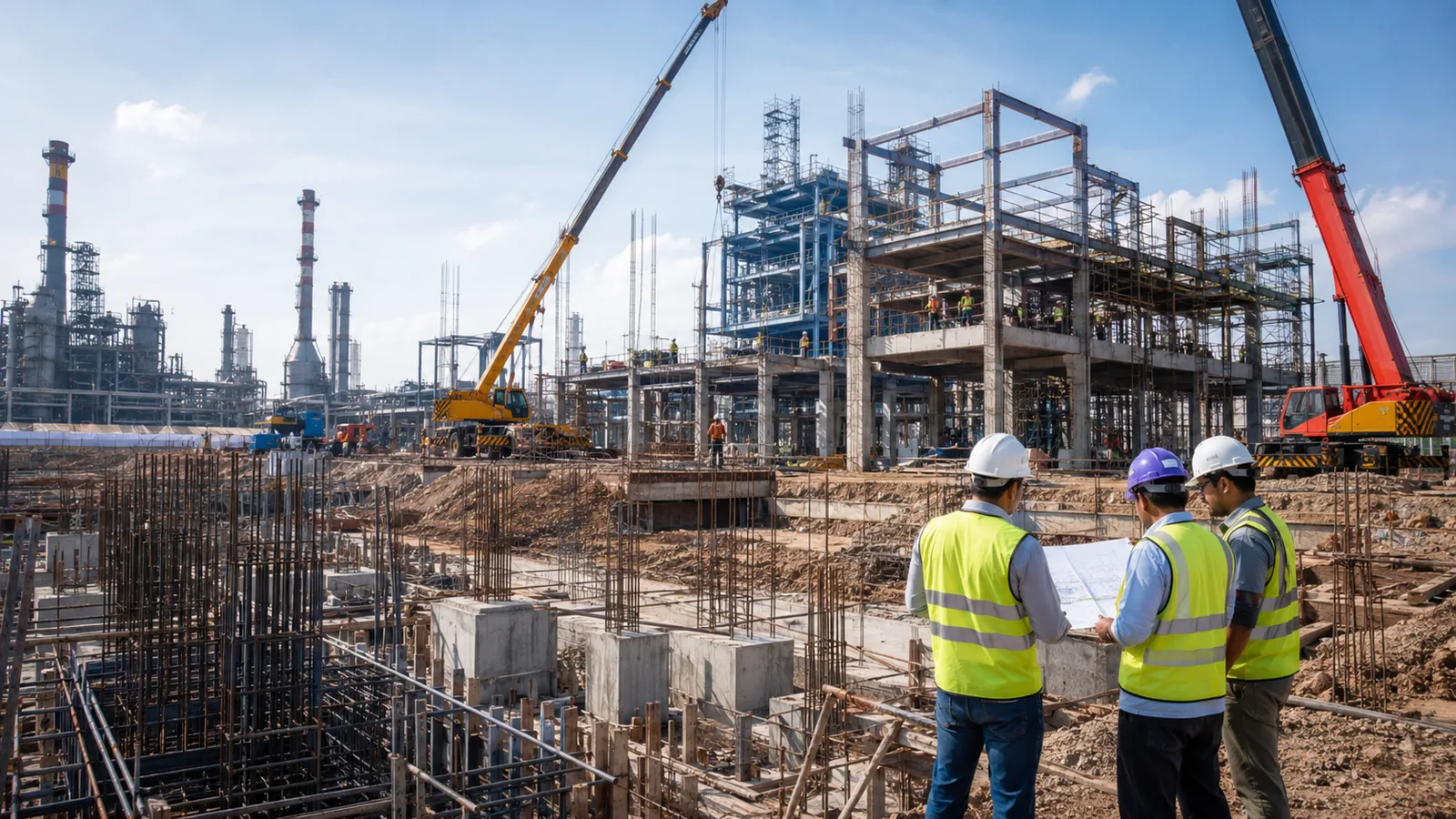
For a construction organisation, progress is meaningful only when it is achieved responsibly. Safety is not a support function to execution. It is one of the conditions that makes good execution possible.
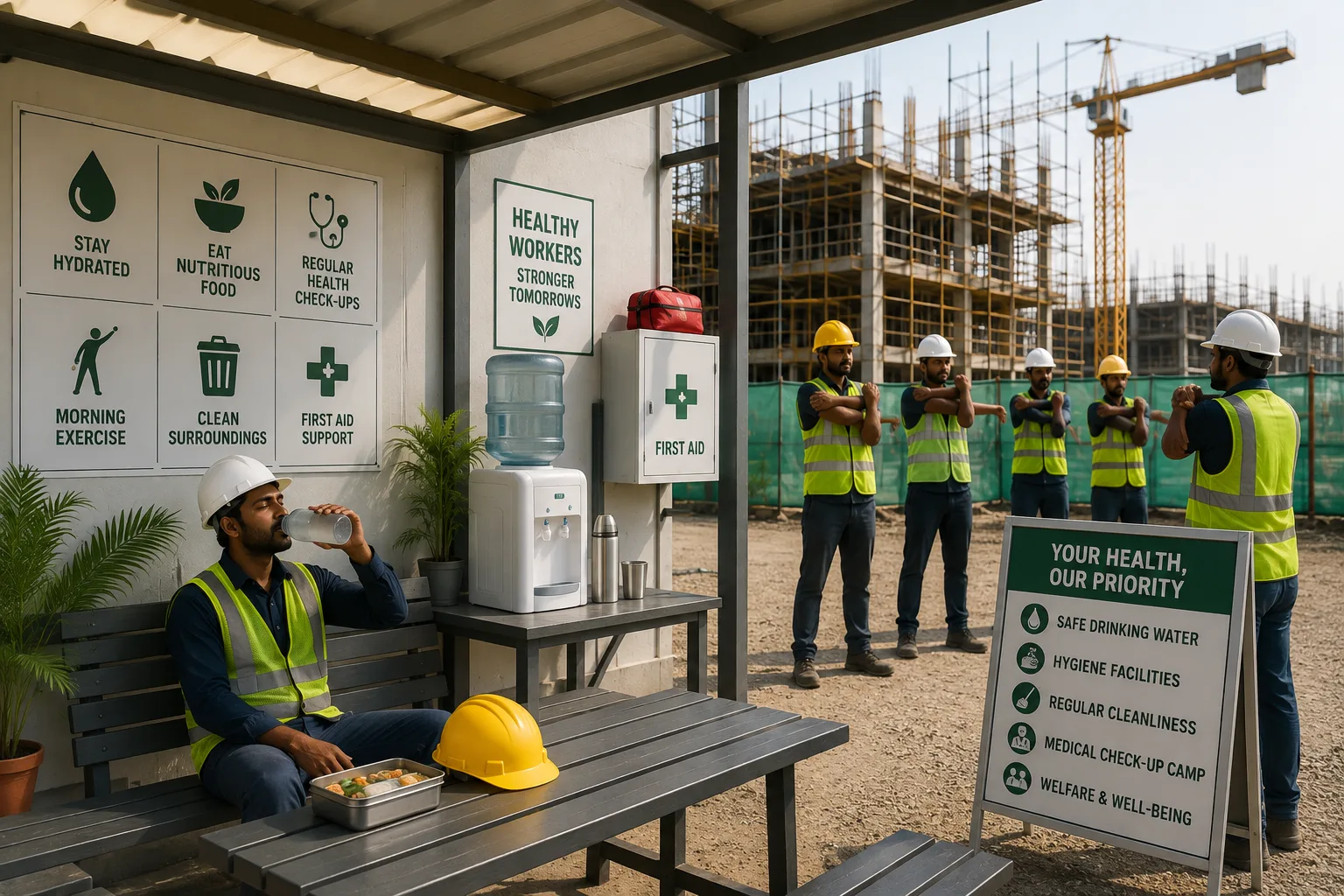
Construction health management is broader than first aid. It includes fitness for work, heat and fatigue exposure, hygiene, ergonomics, occupational hazards and access to timely medical support.
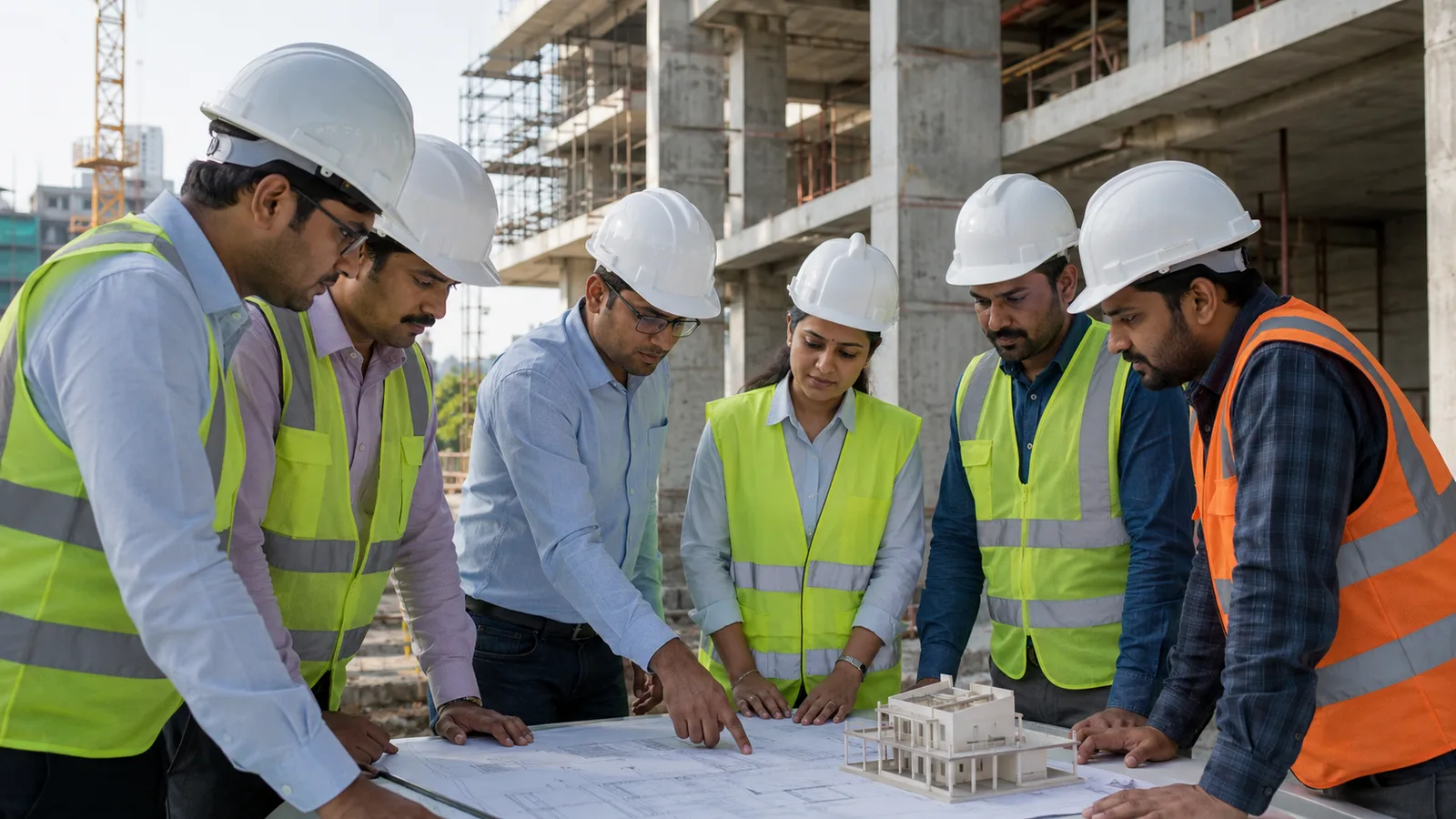
Brownfield construction introduces a challenge that greenfield projects do not: new work must coexist with an operating facility. The construction plan therefore has to respect production, live utilities, restricted...
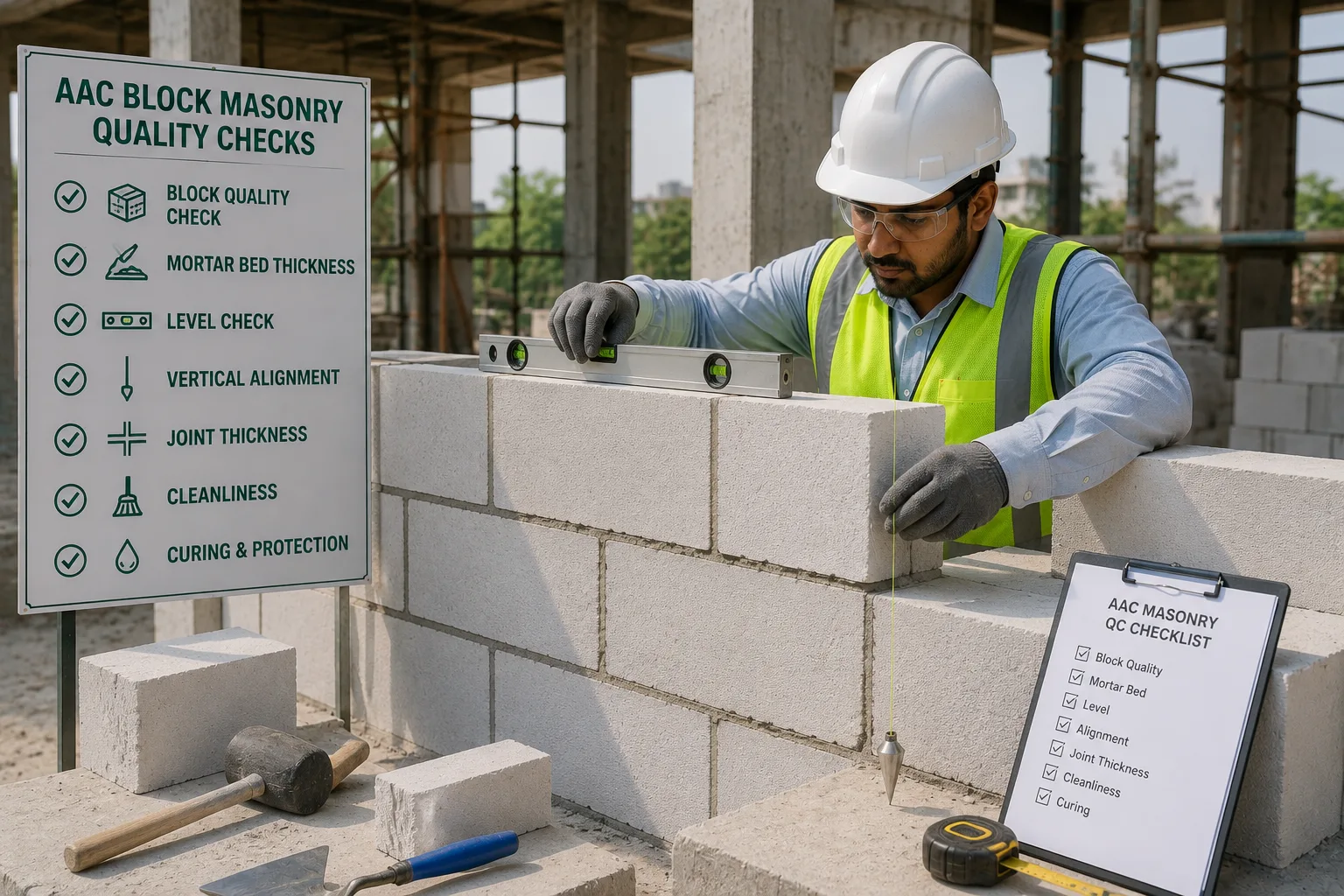
AAC block masonry can deliver speed, lower dead load and good dimensional control, but only when storage, mortar, line, level, joints, reinforcement and interface details are executed correctly.
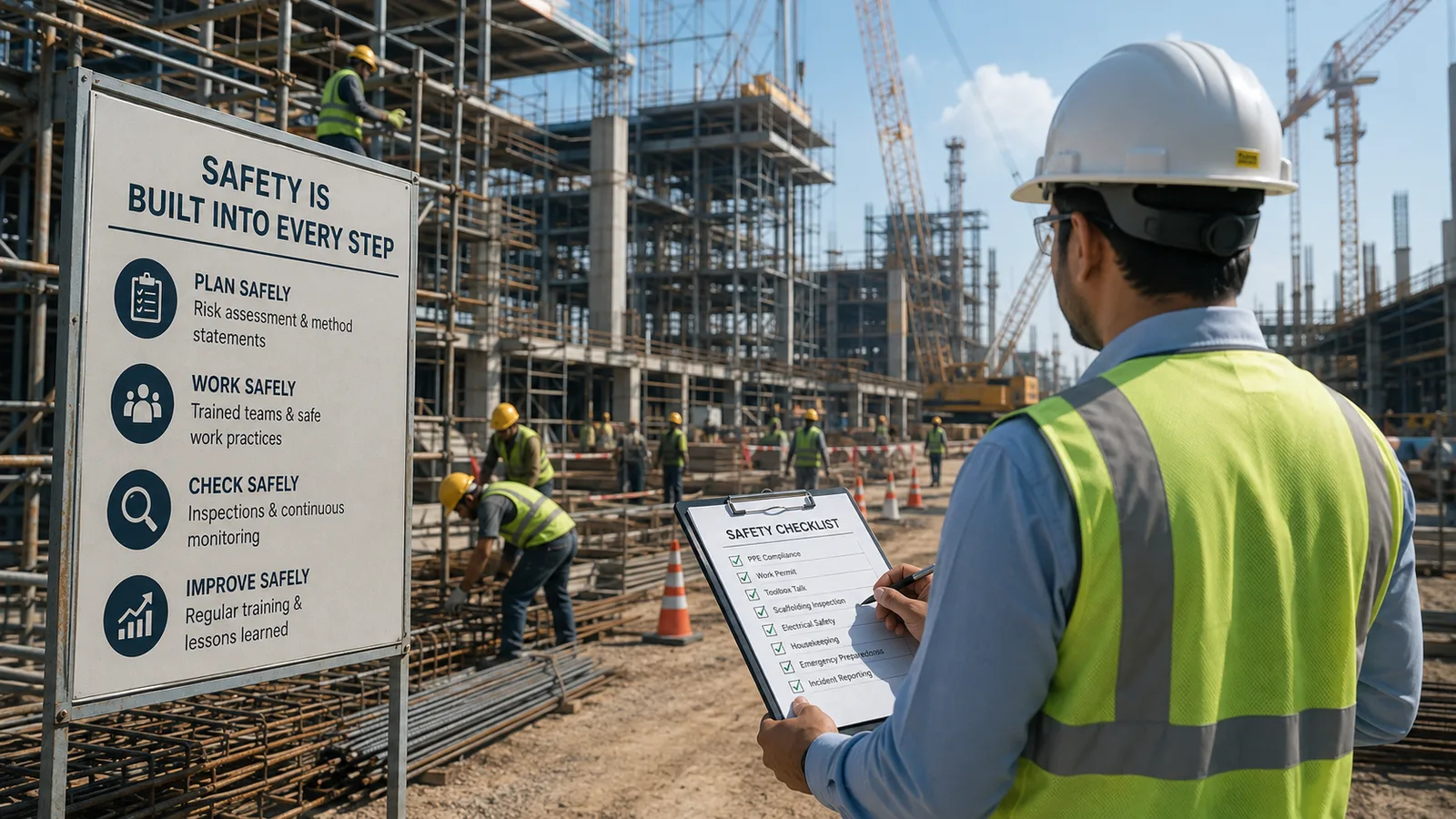
The strongest safety systems are integrated into how work is planned and released. That means risks are considered while deciding sequence, access, equipment, manpower and methods, not only after a crew reaches the...
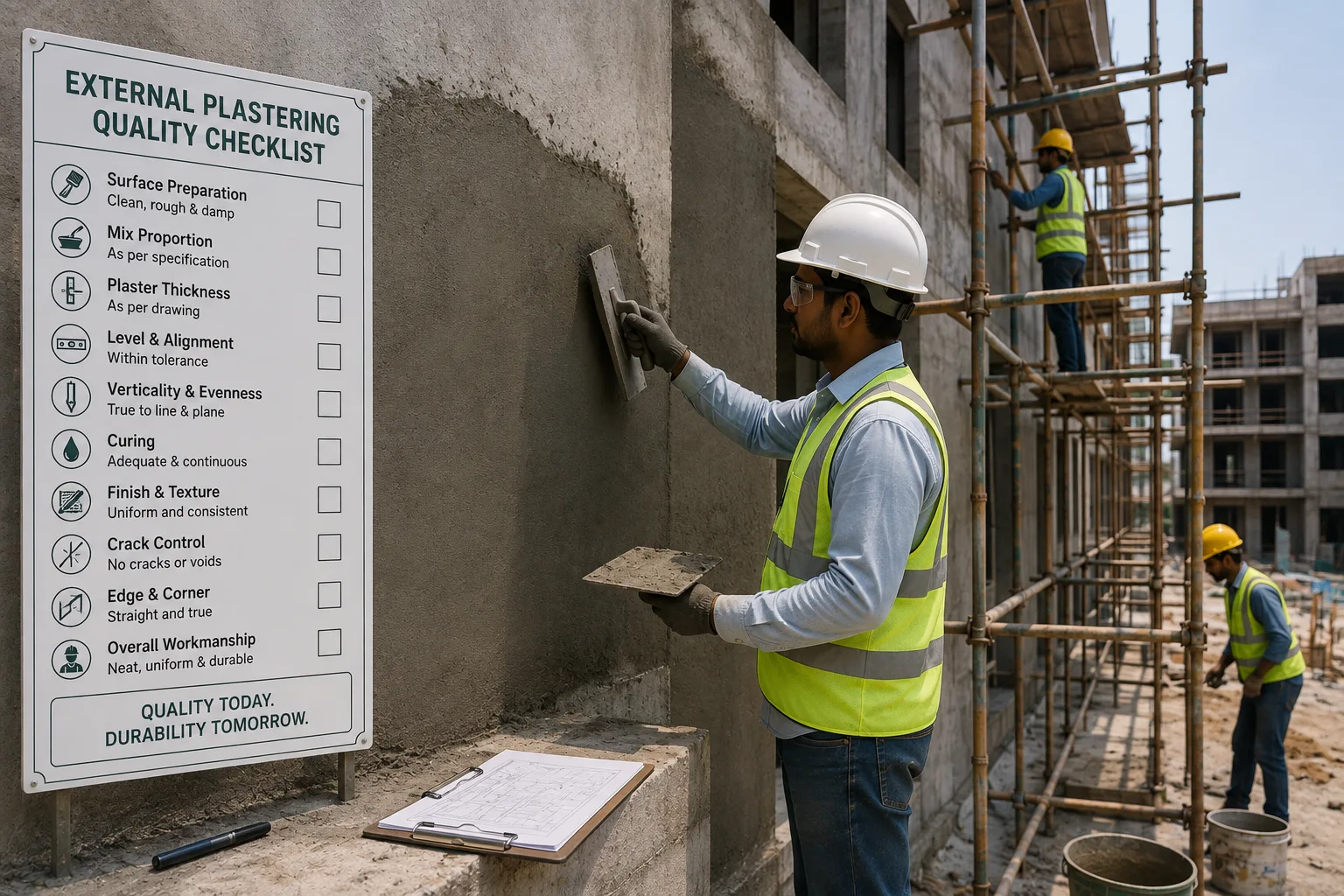
External plaster is exposed continuously to weather and movement, which makes substrate preparation, bonding, thickness, curing and crack-control details especially important.
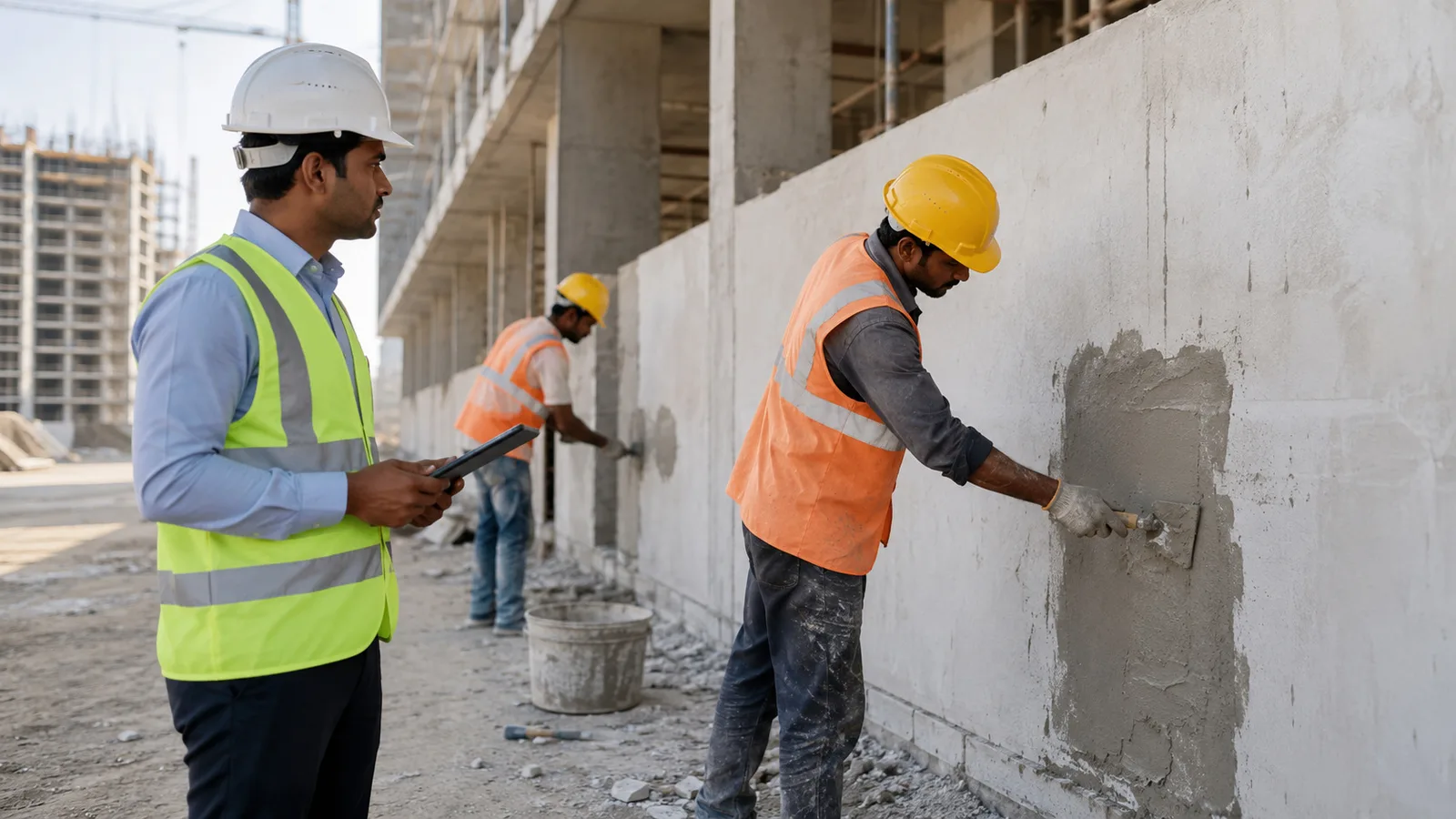
Rework consumes labour twice, material more than once and programme time that can never be recovered at the same cost.
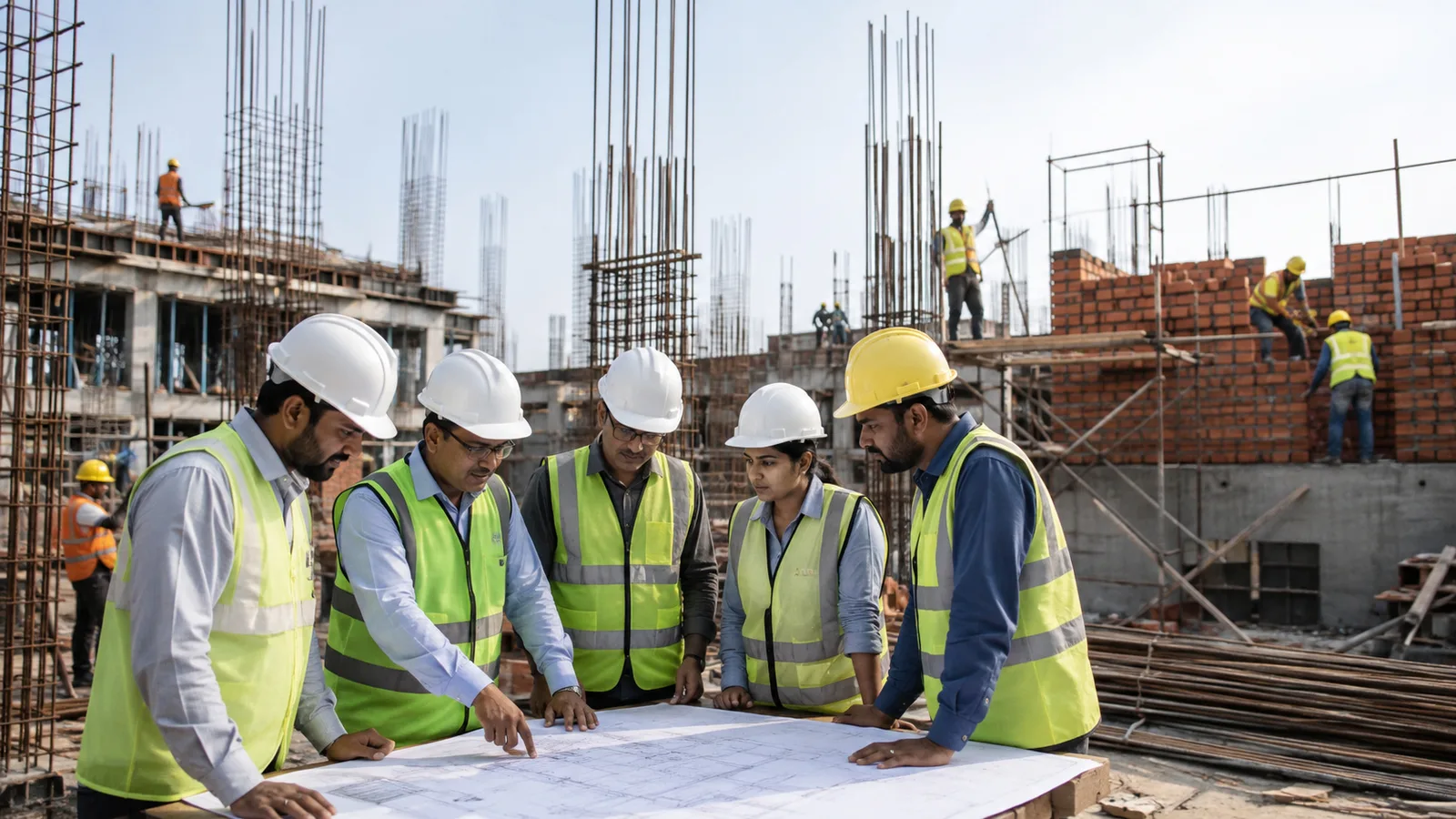
A sequence discovered during execution is usually a sequence paid for through waiting, rework or compromised access.
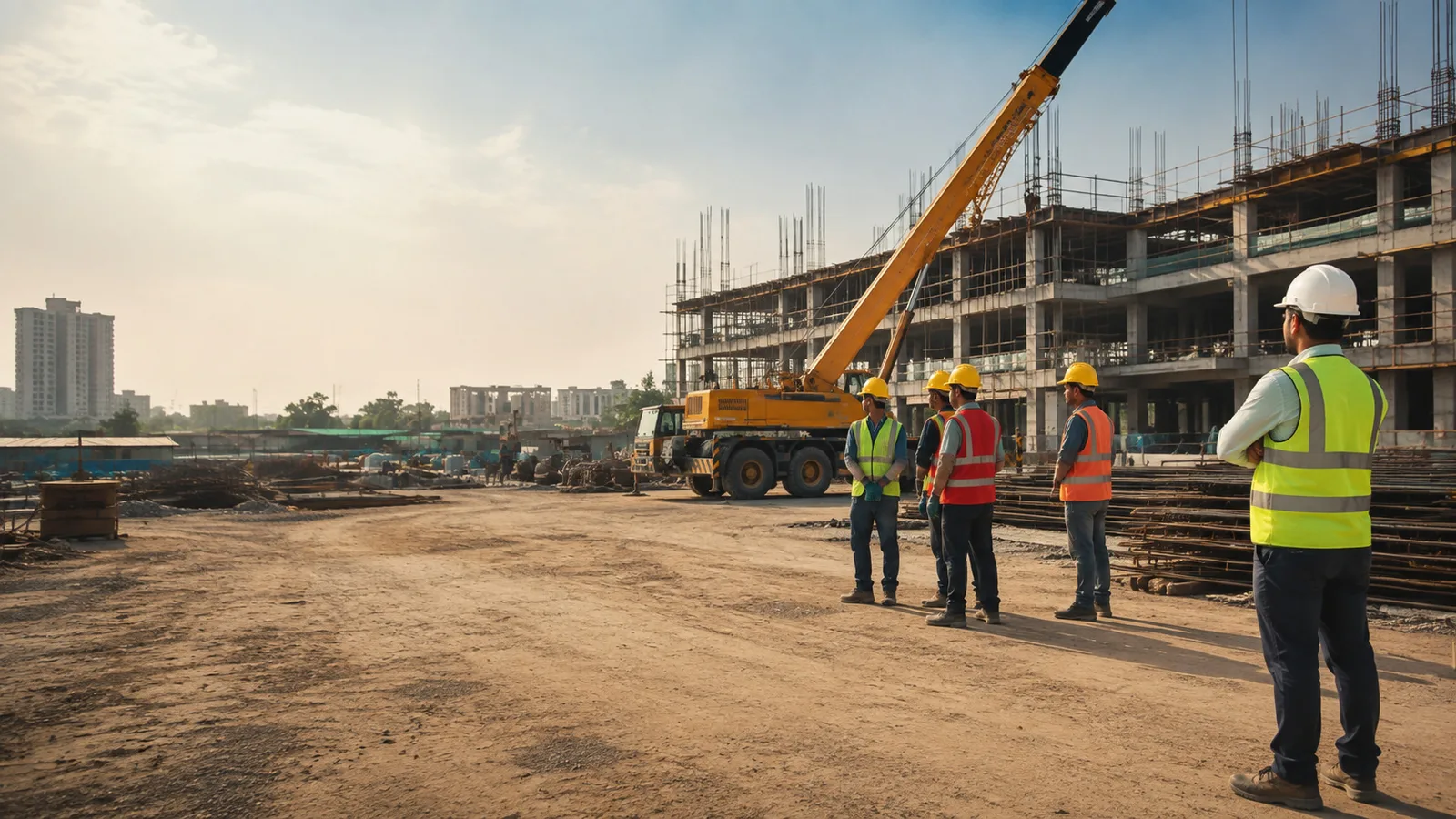
When a contractor is idle, the visible symptom is unused manpower or machinery. The cause is often upstream: a missing drawing, blocked access, late material, unresolved interface or a sequence that was never...
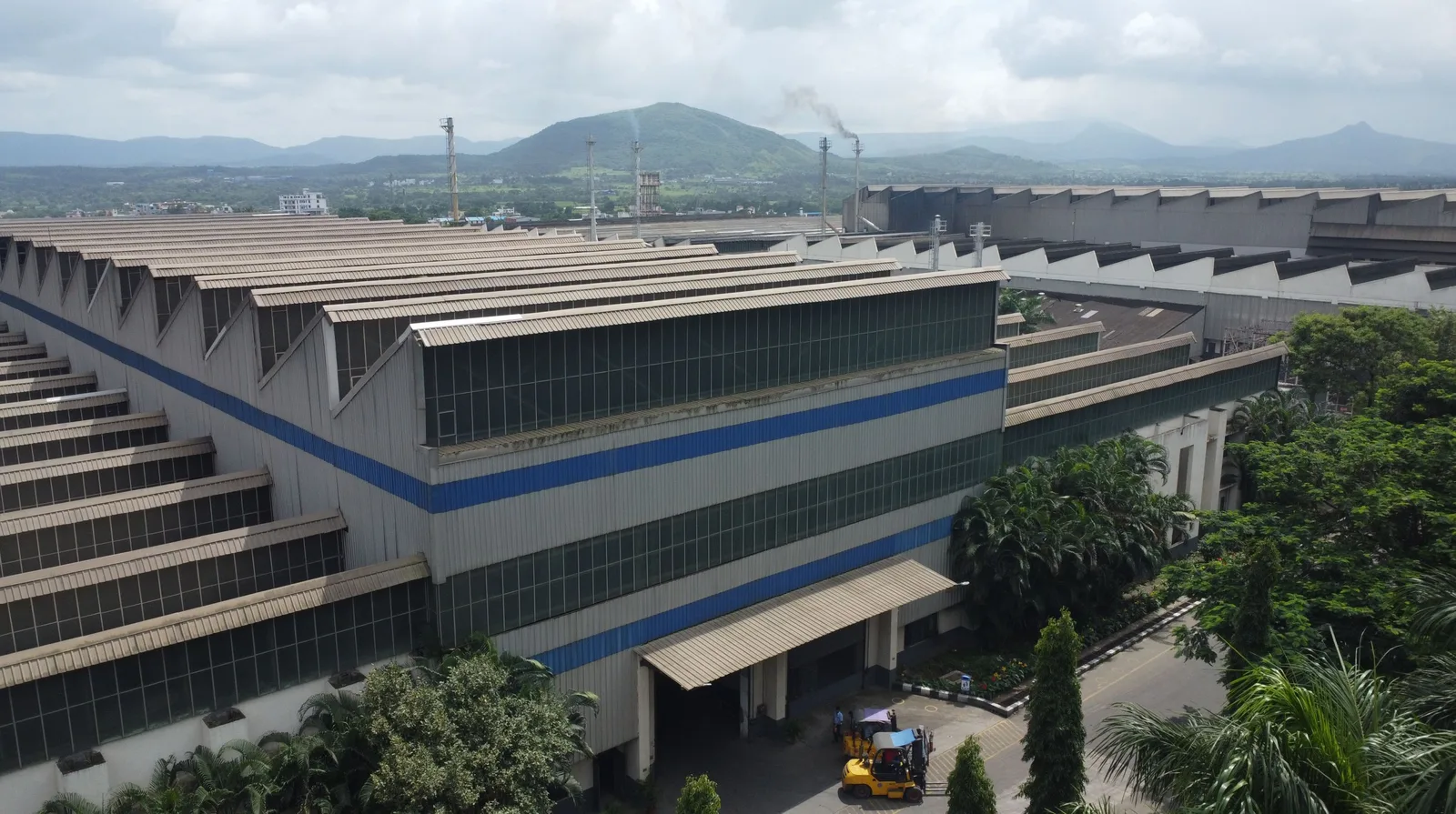
Long professional relationships are difficult to create in construction because every project tests the partnership again. Creativve Constructiions' association with Jaya Hind Industries stands out because it has...
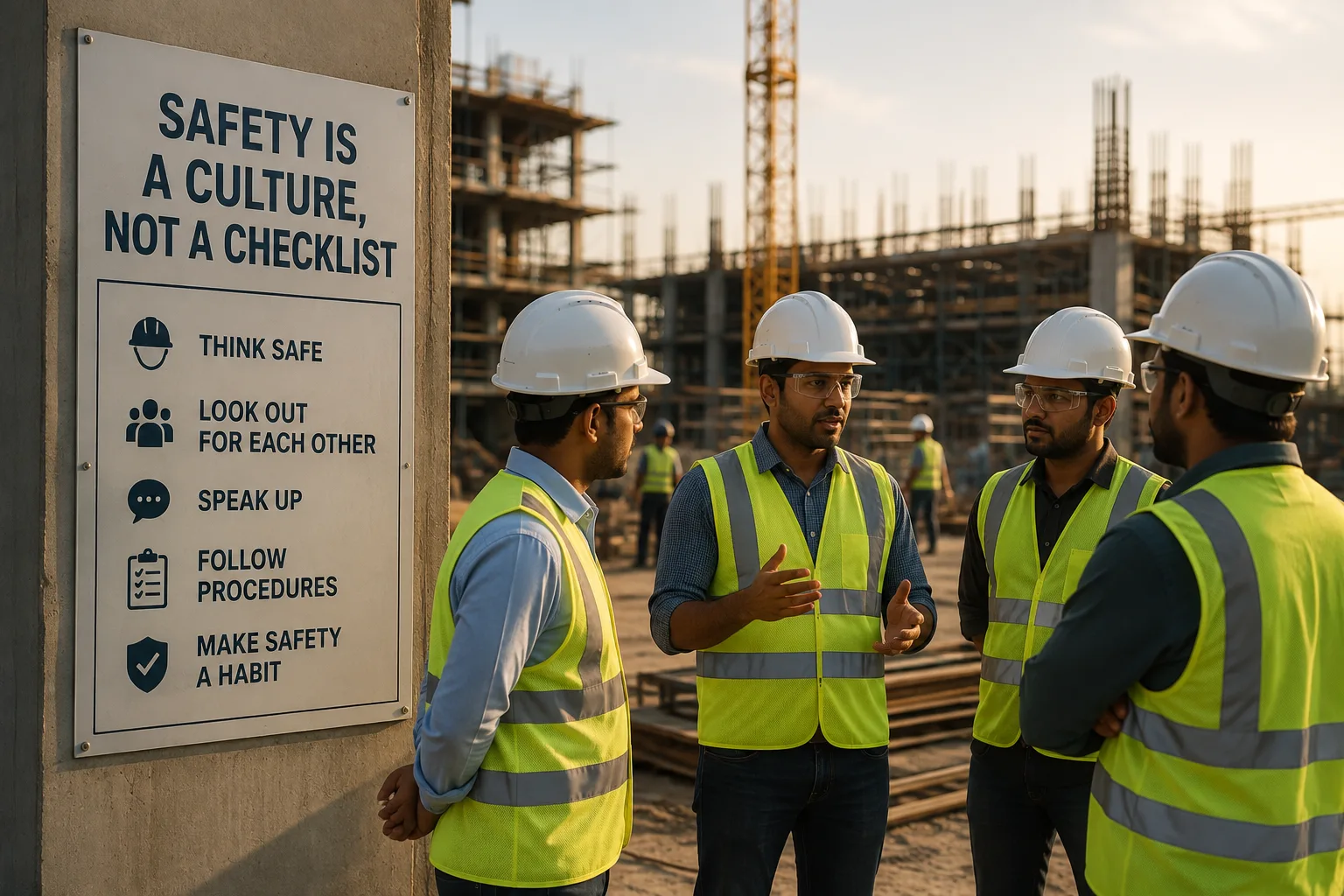
Checklists are useful, but a safe site cannot be created by paperwork alone. Safety culture is visible in what teams do when no audit is scheduled, when the programme is under pressure and when an unsafe condition...
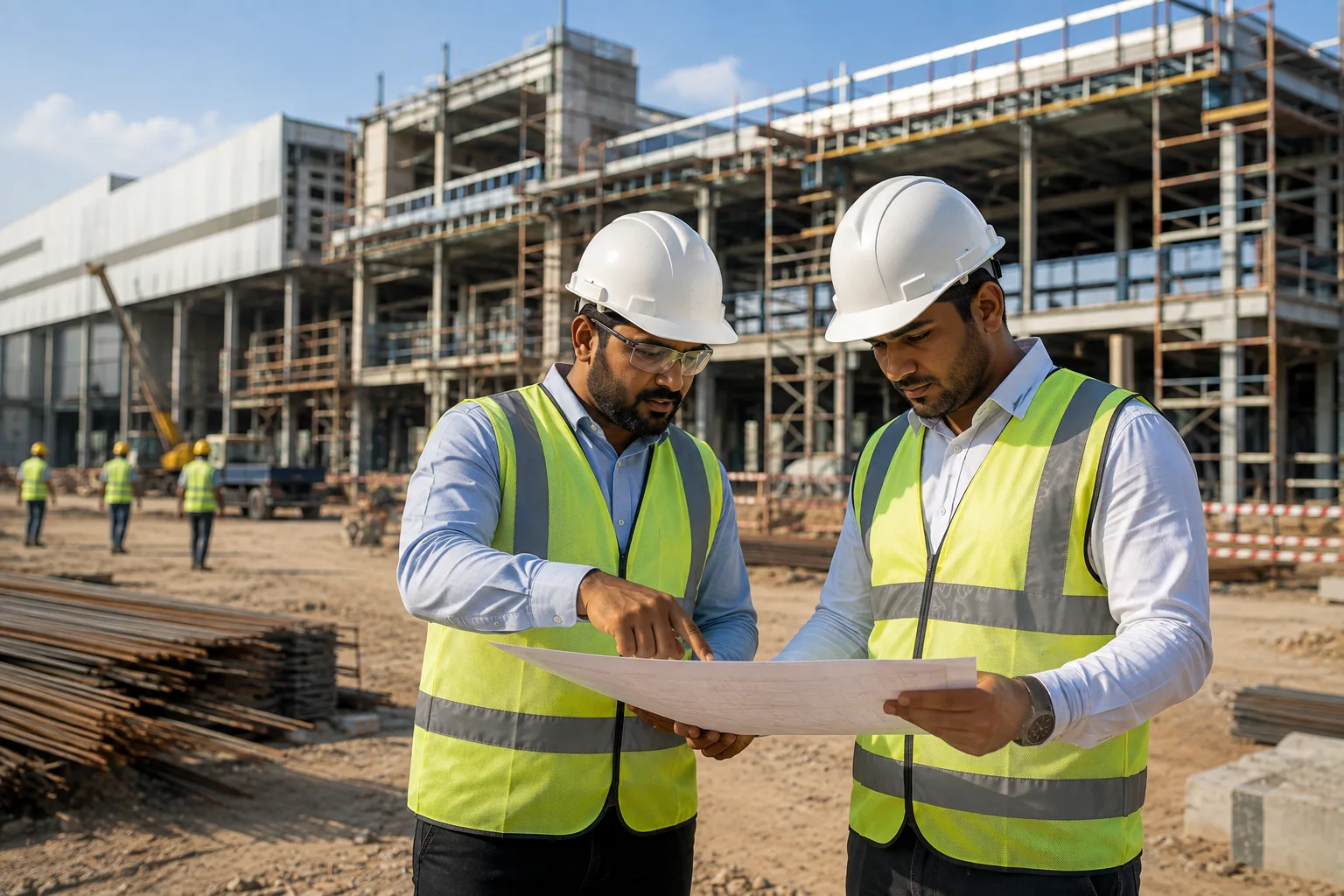
Industrial projects require managers who can connect planning with site reality. The work demands coordination, discipline, responsibility and a consistent approach to quality and safety.
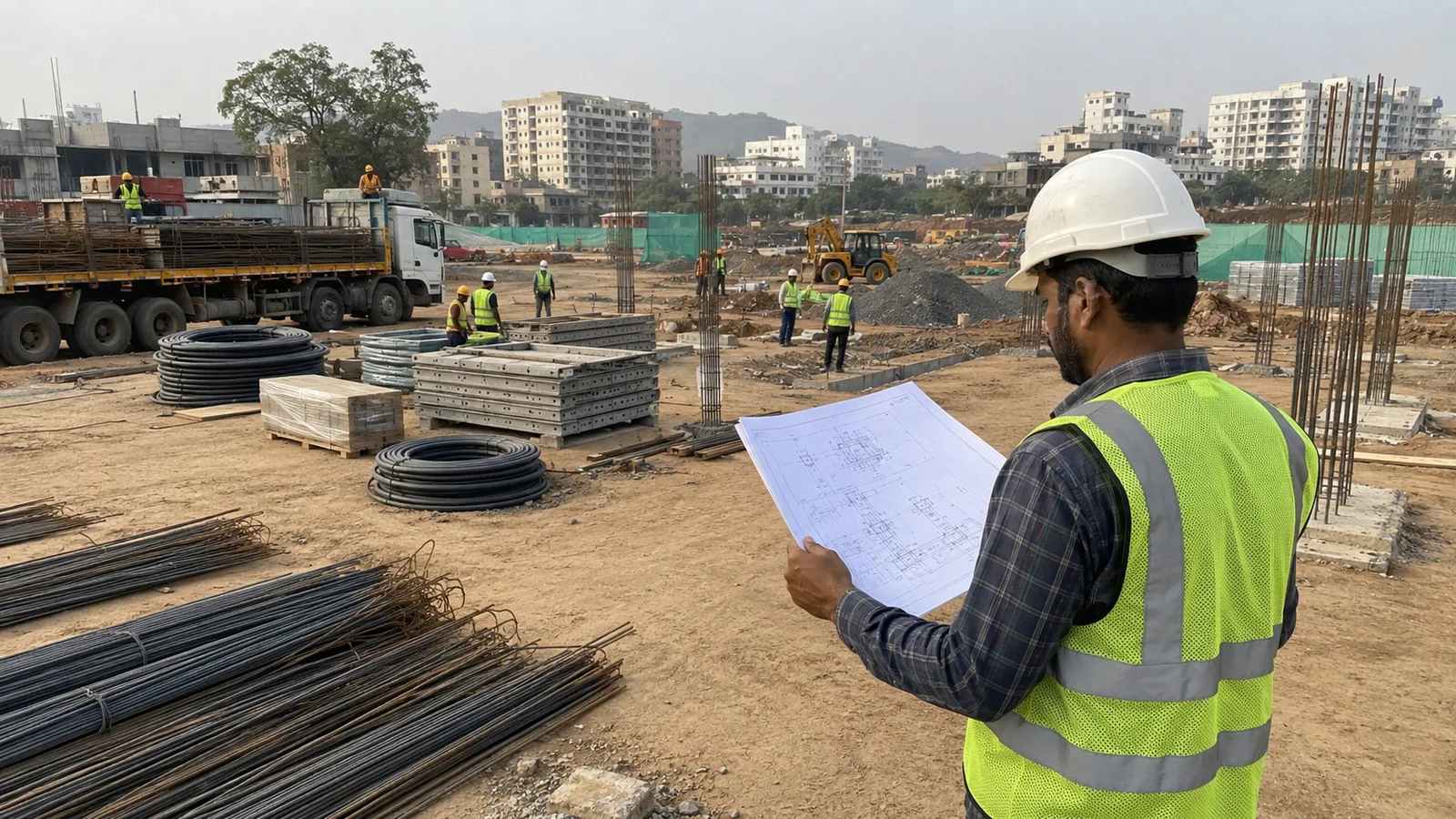
Mobilising early is useful only when the project can convert that mobilisation into productive work. Clarity on scope, drawings, access and interfaces should lead the mobilisation plan.
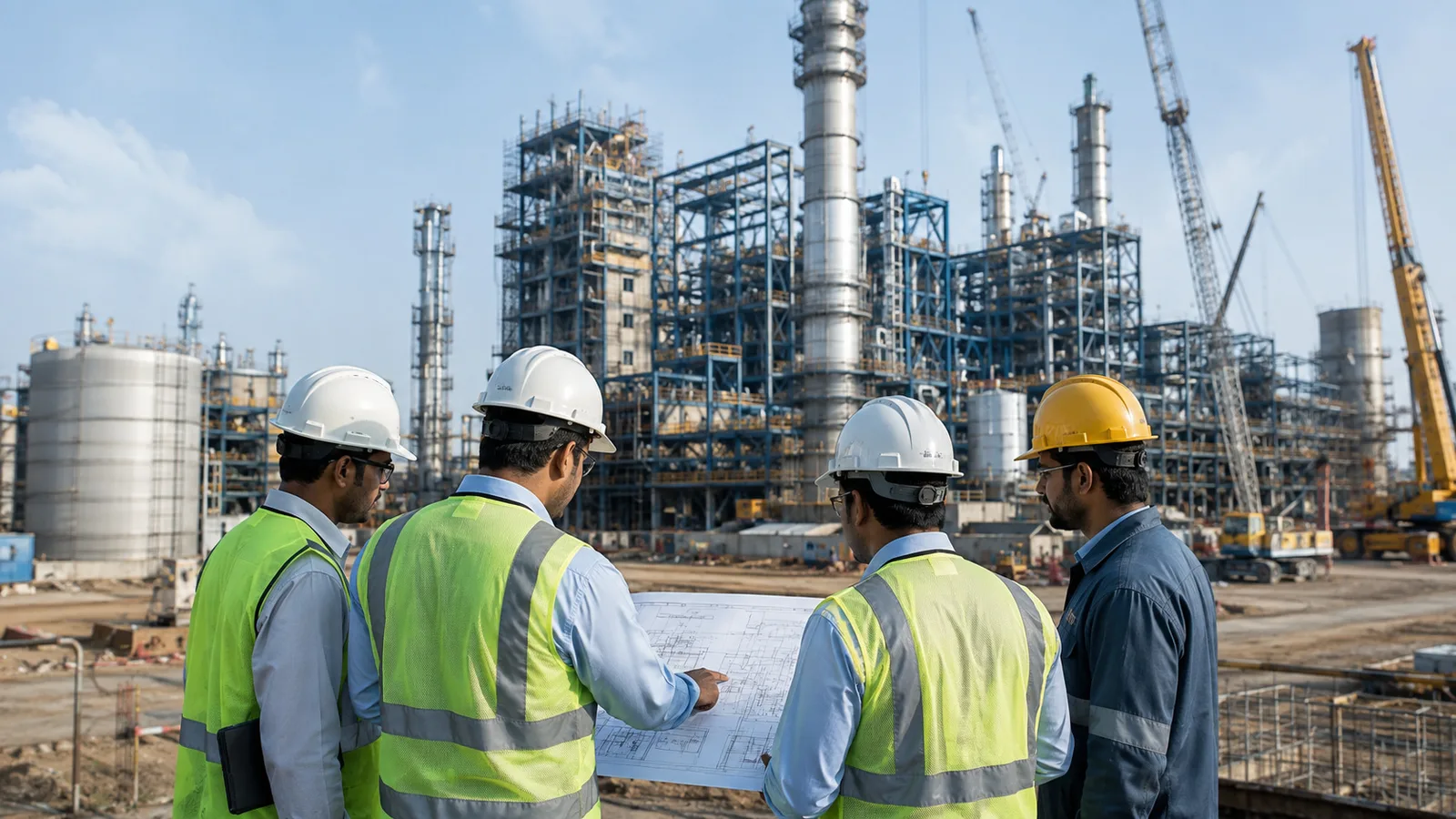
Turnkey and EPC delivery concentrate responsibility. That can simplify the client's interface, but it also raises the standard required from the delivery partner across engineering, procurement, construction,...
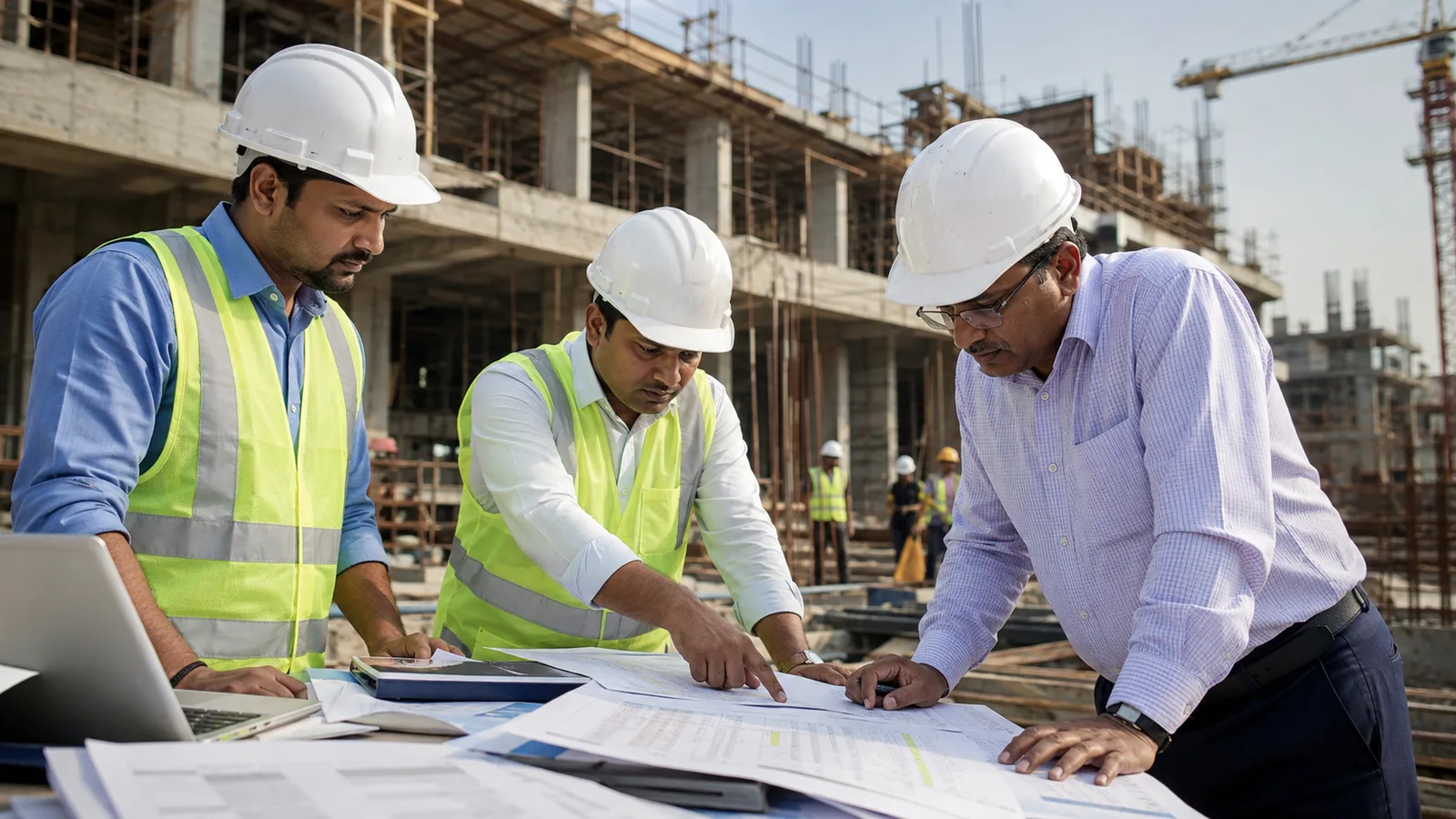
Civil and structural work in an industrial project must support far more than the building envelope. Foundations, floors, pits, trenches, structures and interfaces often serve equipment, process and maintenance...
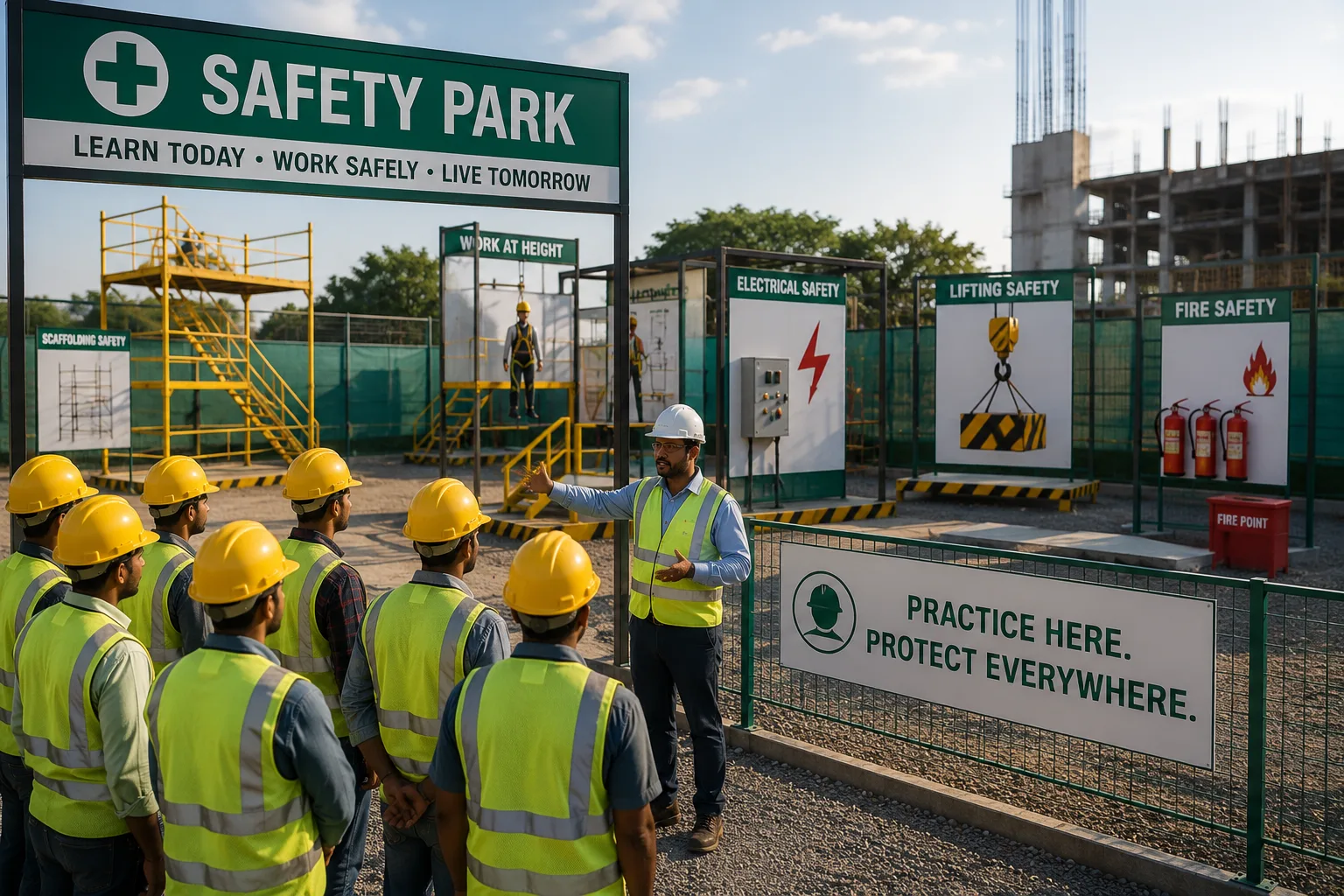
Practical learning is especially effective in construction because many hazards are physical and visual. A site safety park creates a controlled space where workers can understand risks, see correct arrangements and...
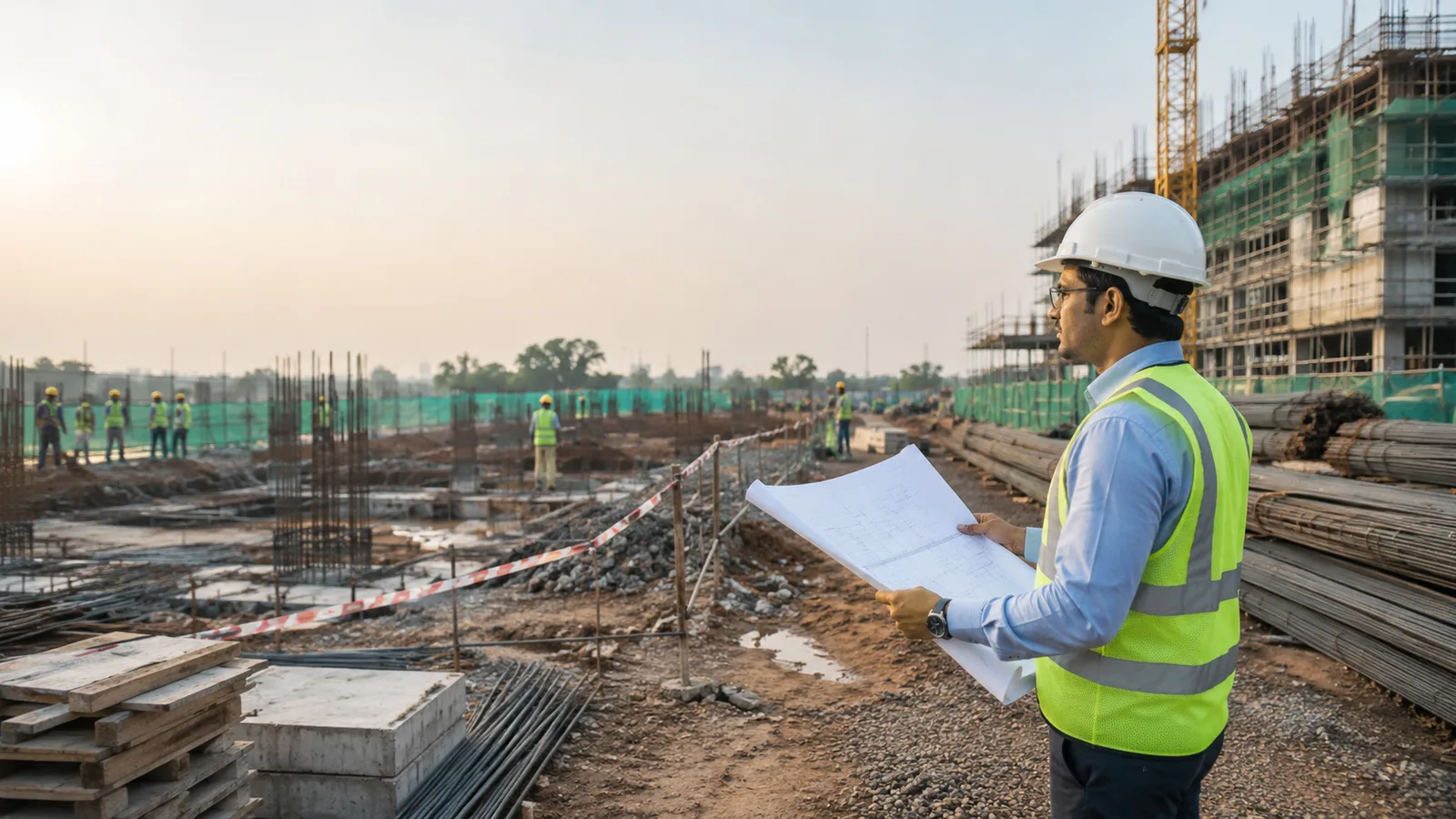
A work order authorises work. A workfront enables work. The difference sounds small, but it explains why contractors can be mobilised and instructed while still being unable to produce meaningful progress.
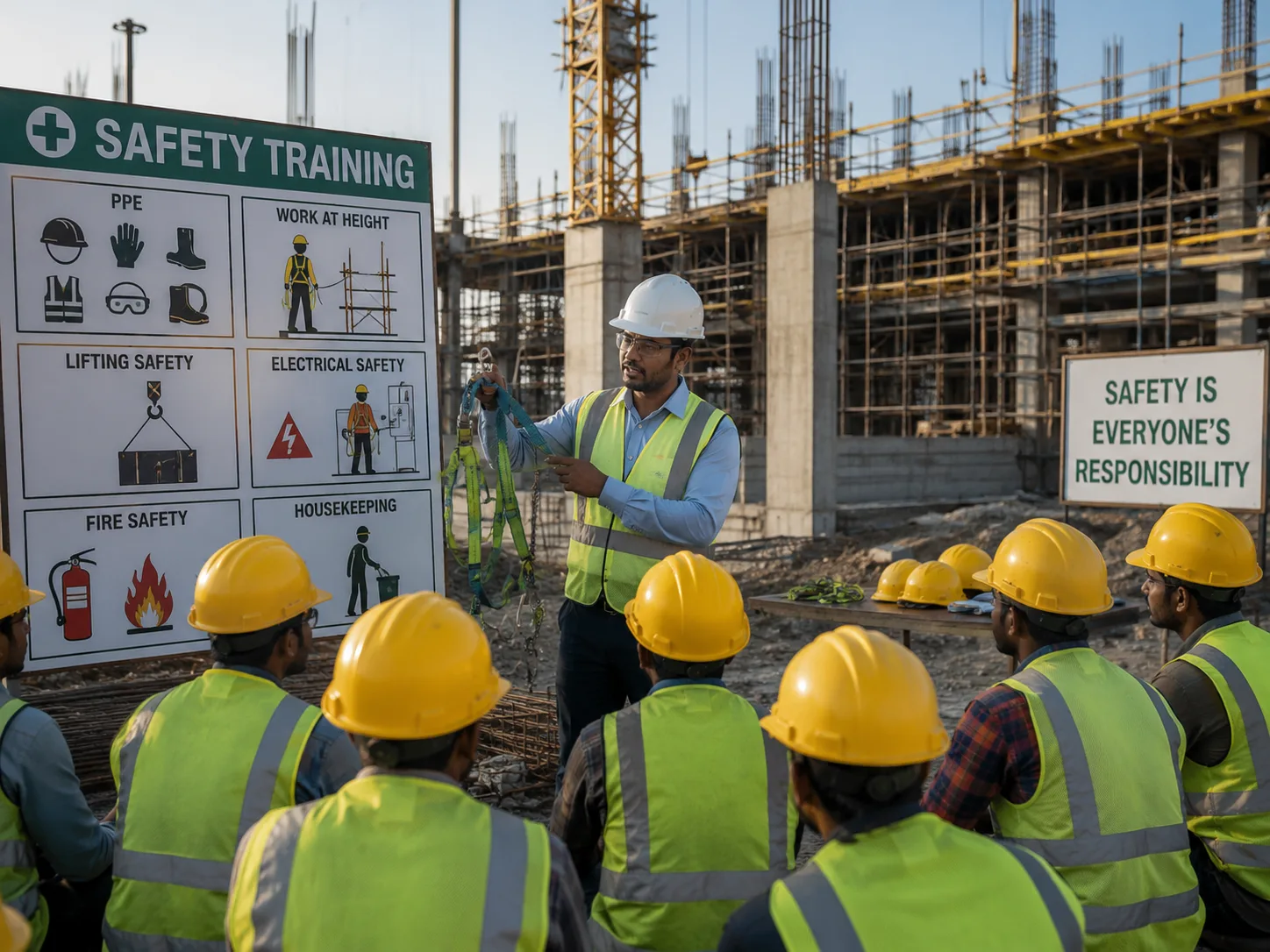
Generic safety awareness creates a foundation. Job-specific training prepares a worker for the exact hazards, controls and decisions connected with the task they are about to perform.
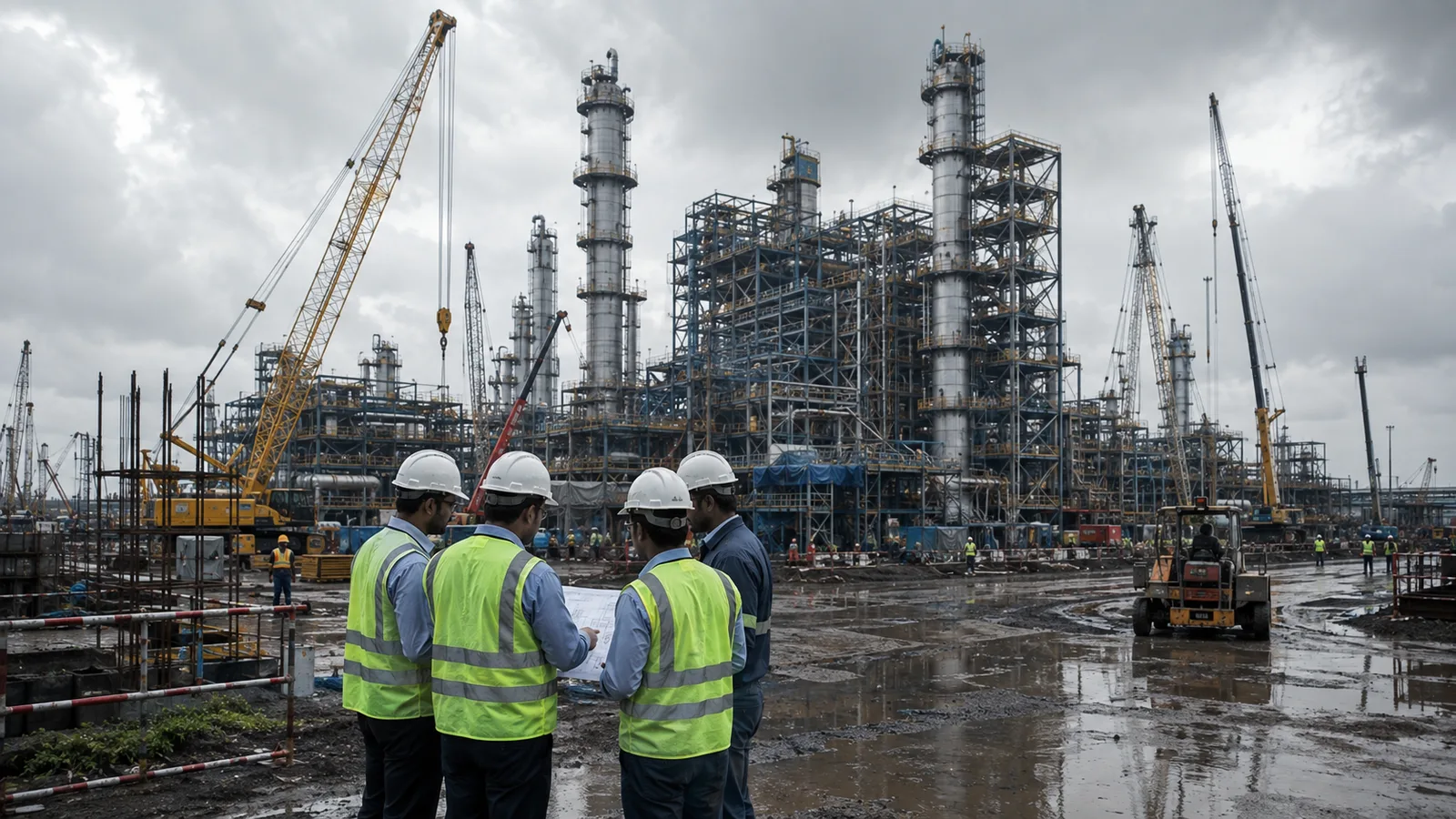
Industrial projects are remembered not only for what was built, but for the constraints overcome while building it. Creativve Constructiions' work at DOW, Lote MIDC combined major civil execution, large resource...
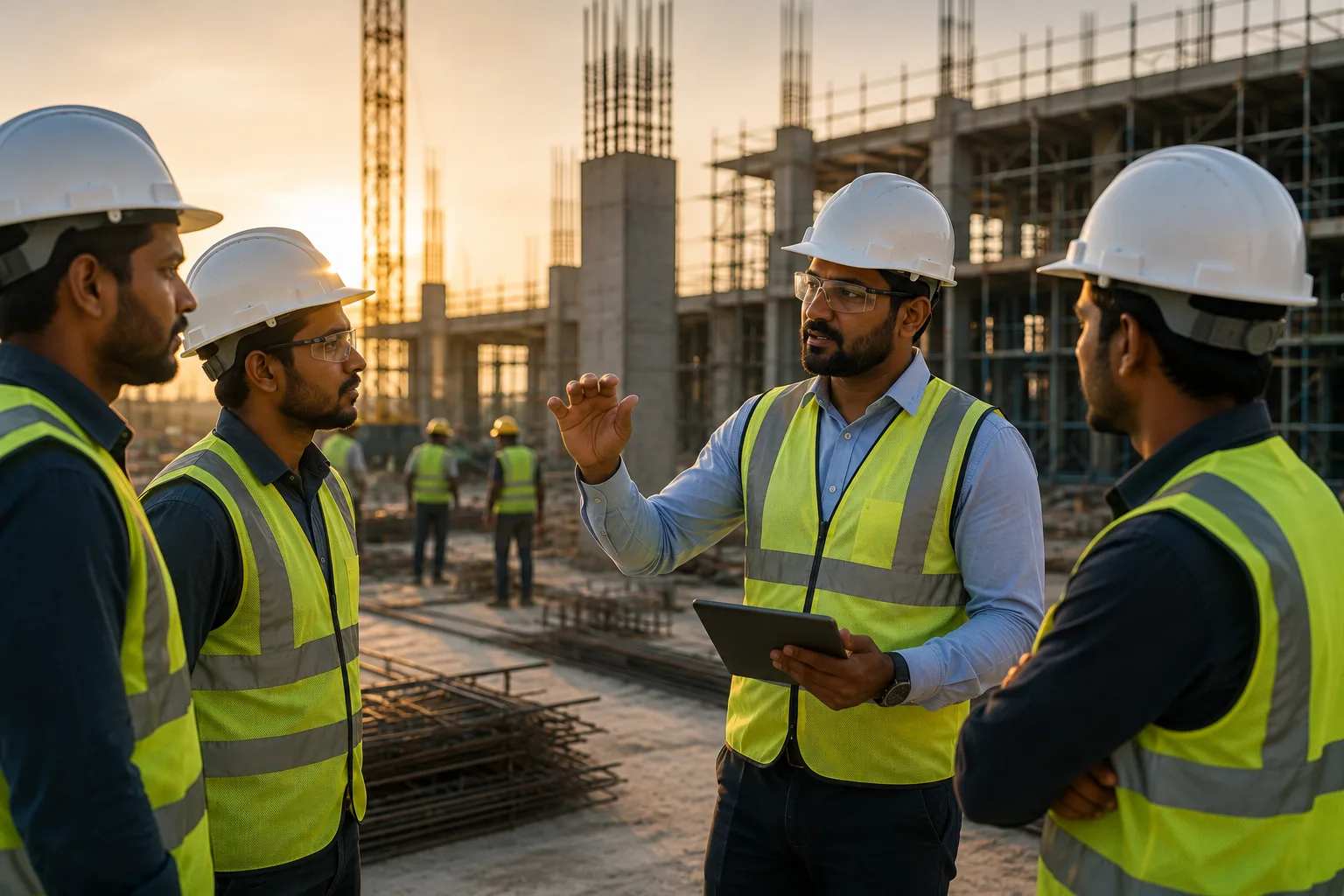
Construction organisations need leaders who understand drawings, people, commercial pressure, client expectations and execution realities at the same time. That range is difficult to teach only through classroom...
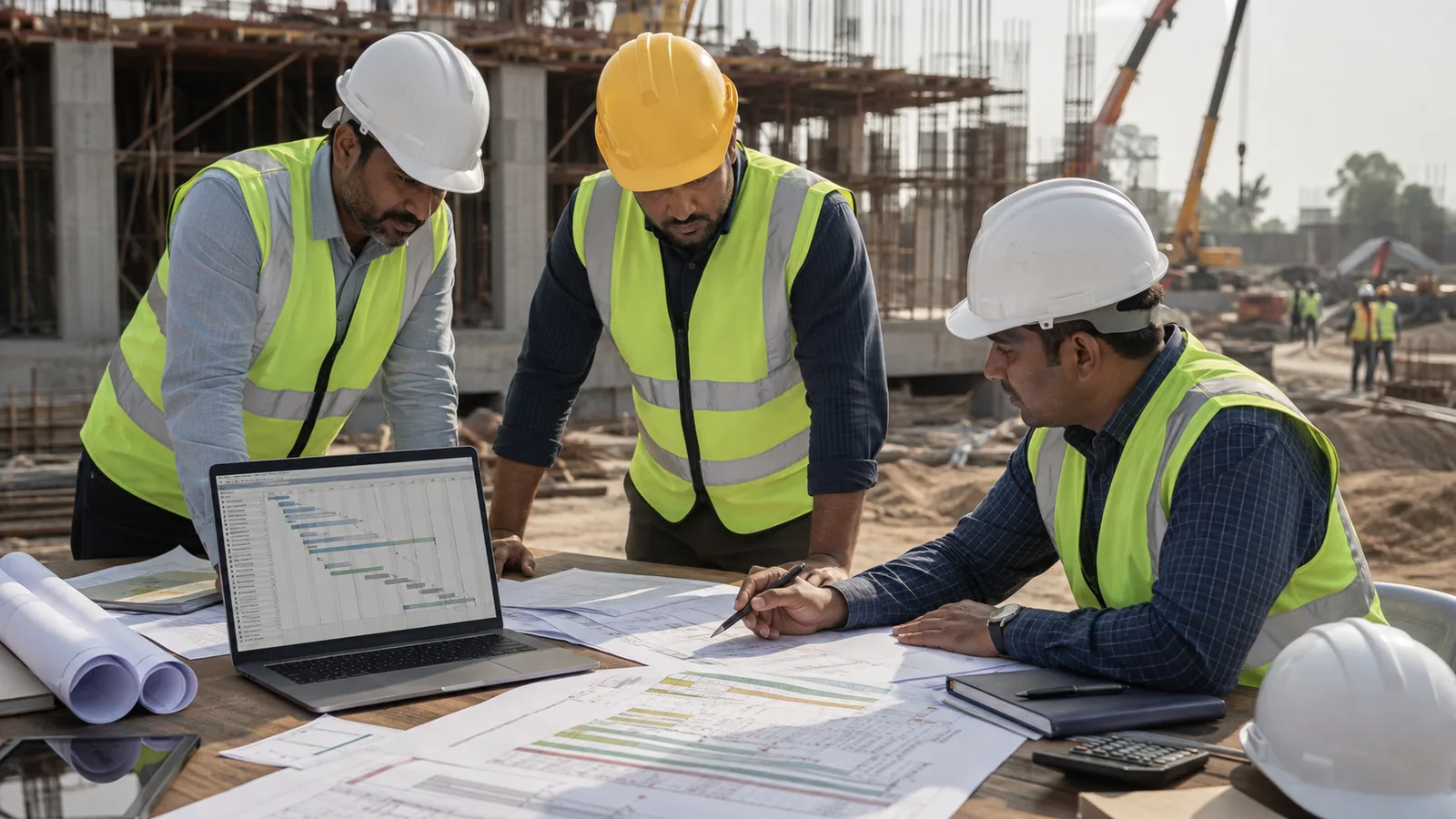
The question is not whether a constraint will appear, but whether the team has another productive path when it does.
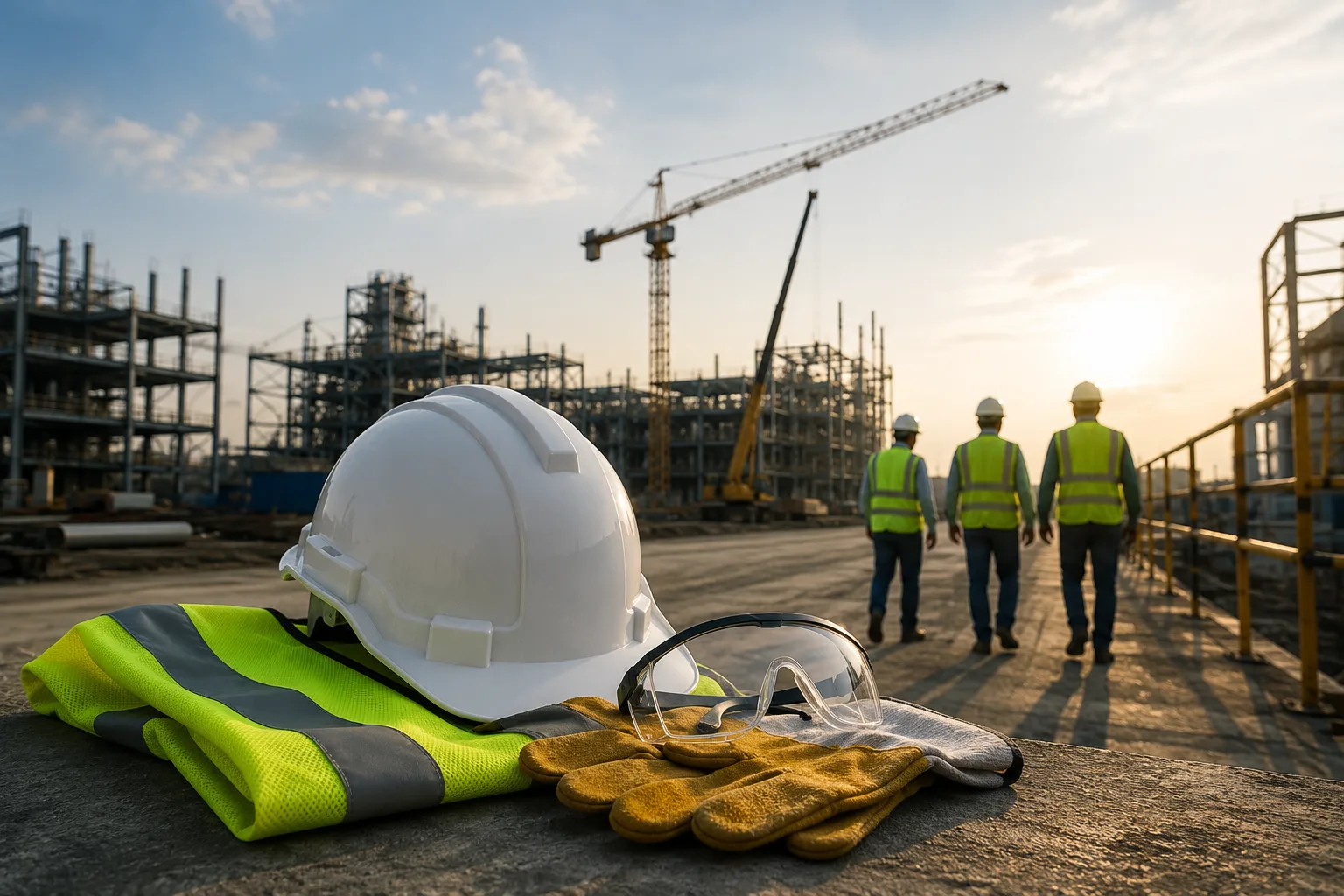
Environment, health and safety form one responsibility because construction affects people, workplaces and surroundings at the same time. A mature HSE system therefore looks beyond accident prevention to worker...
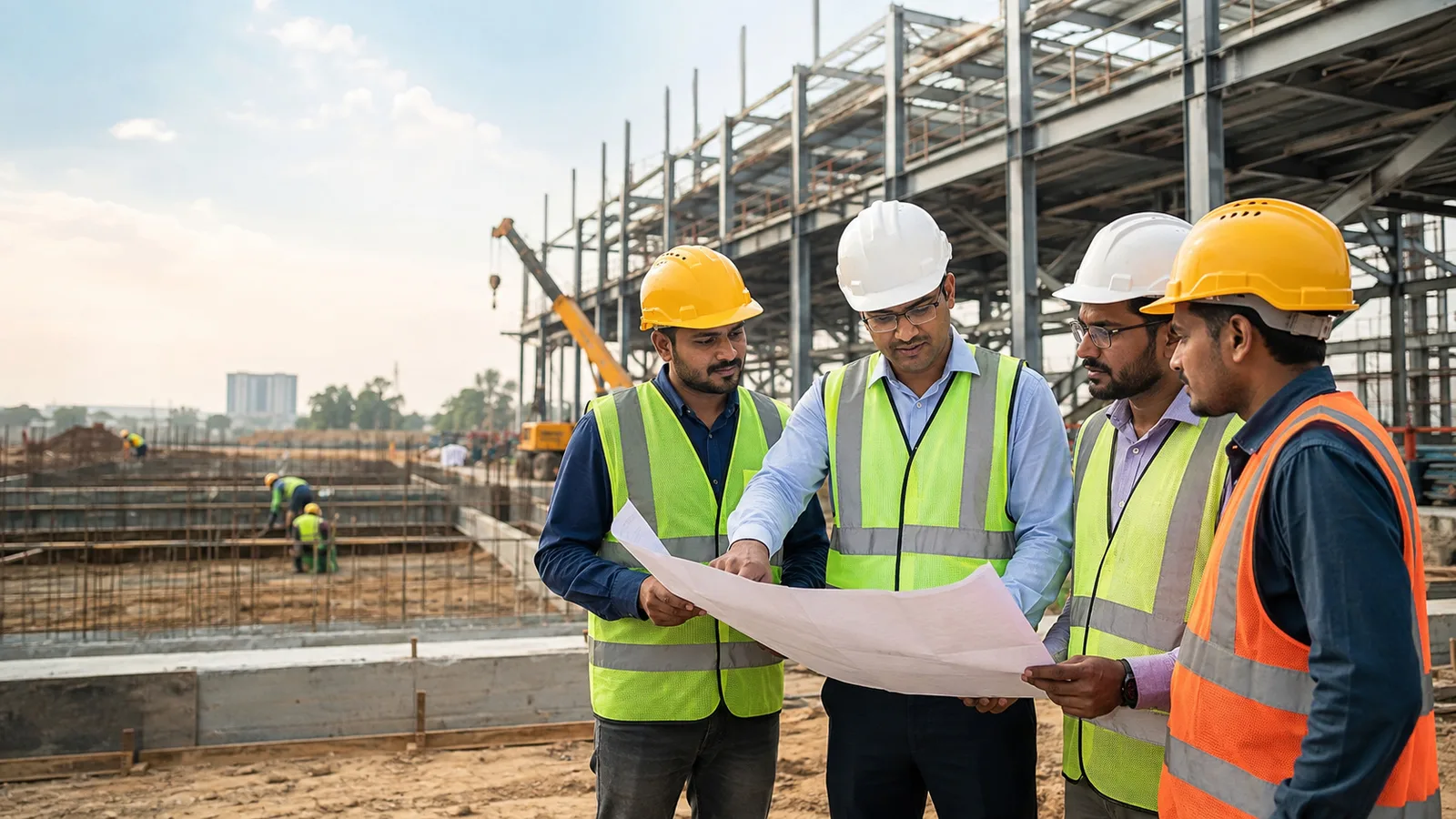
A construction partner is accountable for far more than labour, materials and activity completion. The real value lies in converting drawings, decisions, resources and constraints into predictable execution.
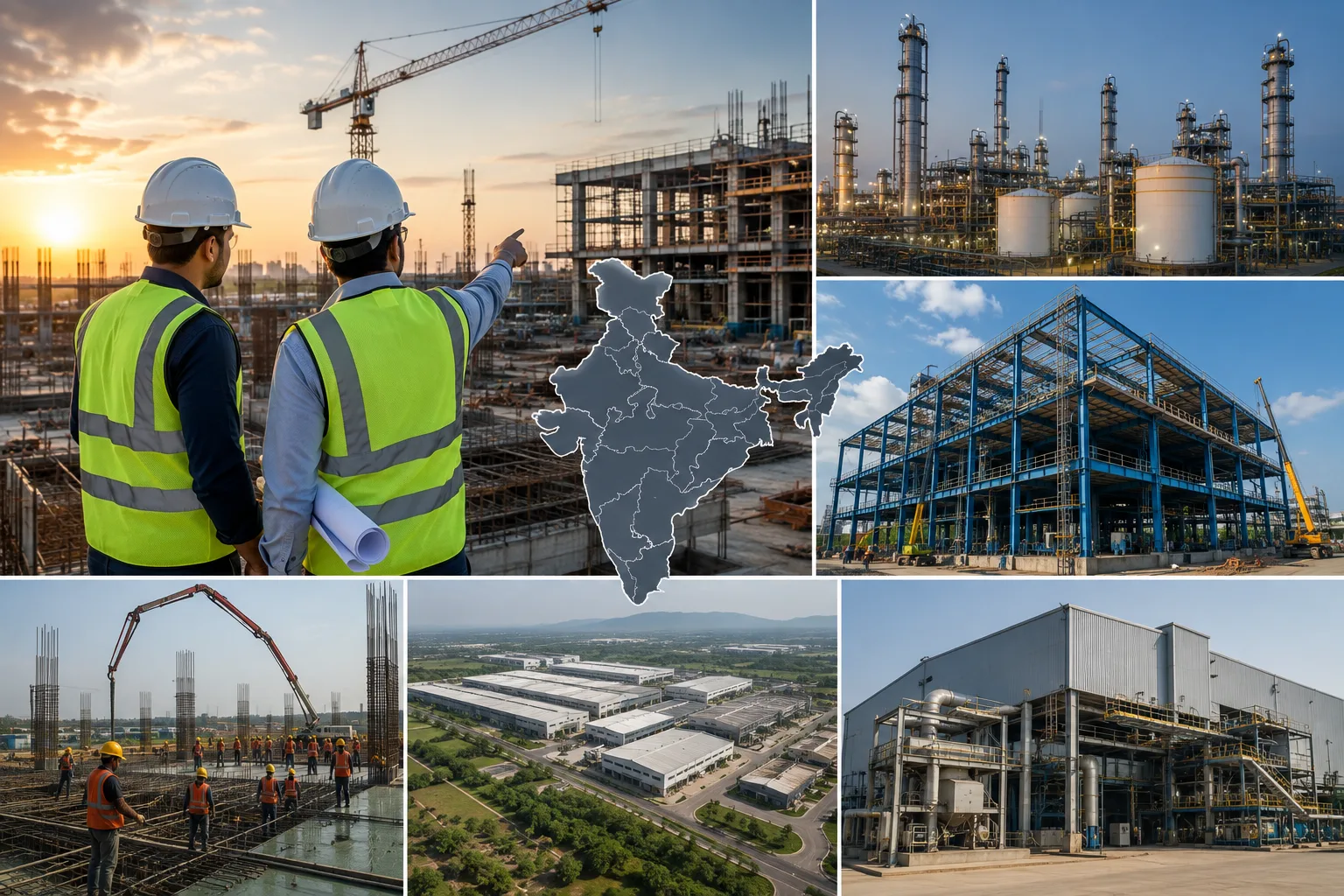
Industrial capability is strengthened by exposure to different plants, sectors, locations and project conditions. Each environment adds knowledge about logistics, client systems, regional constraints and the...
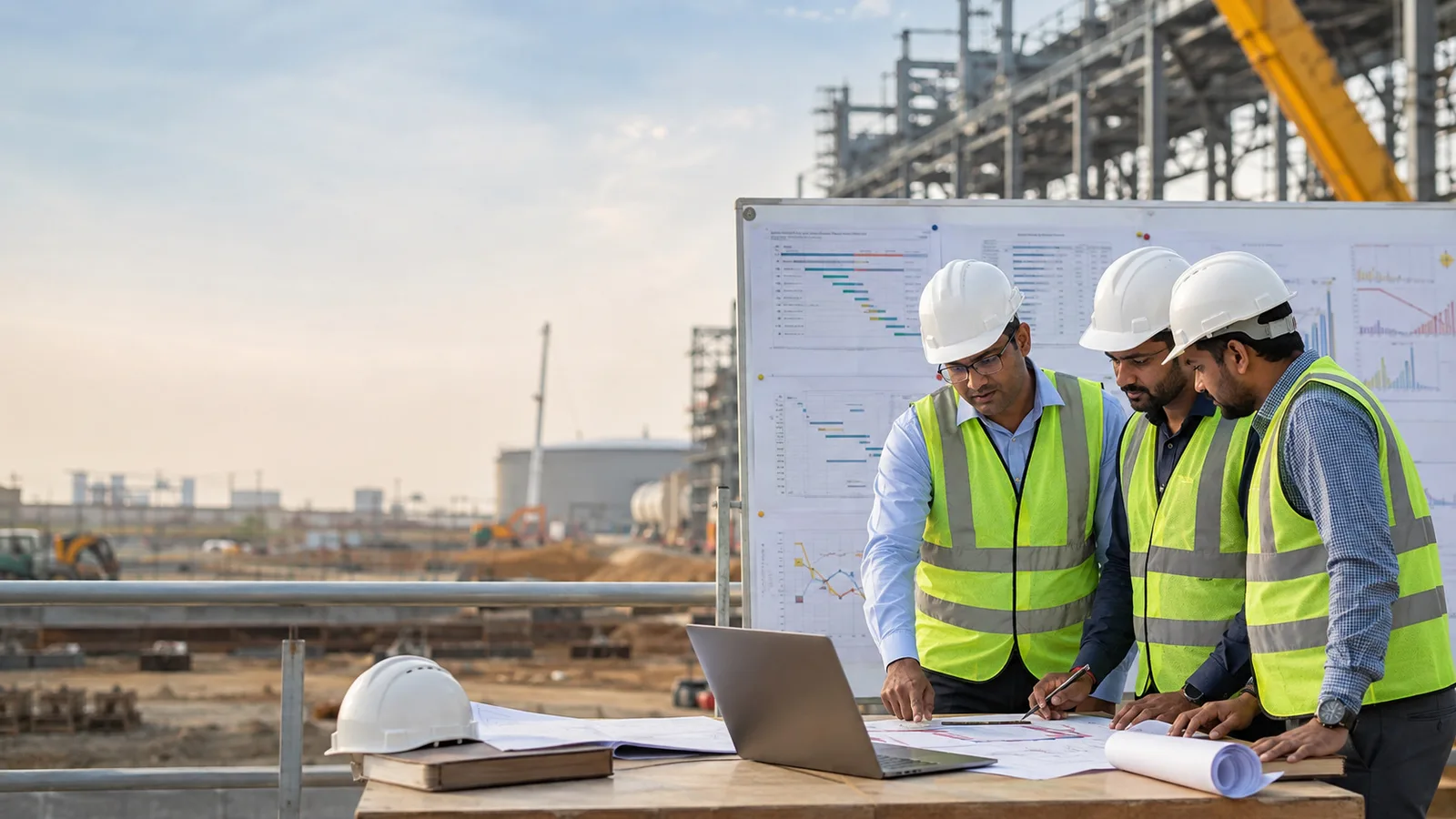
A baseline programme is not a decorative Gantt chart. It is the agreed logic of how the project is expected to move from mobilisation to handover, and it becomes the reference against which decisions and delays can...
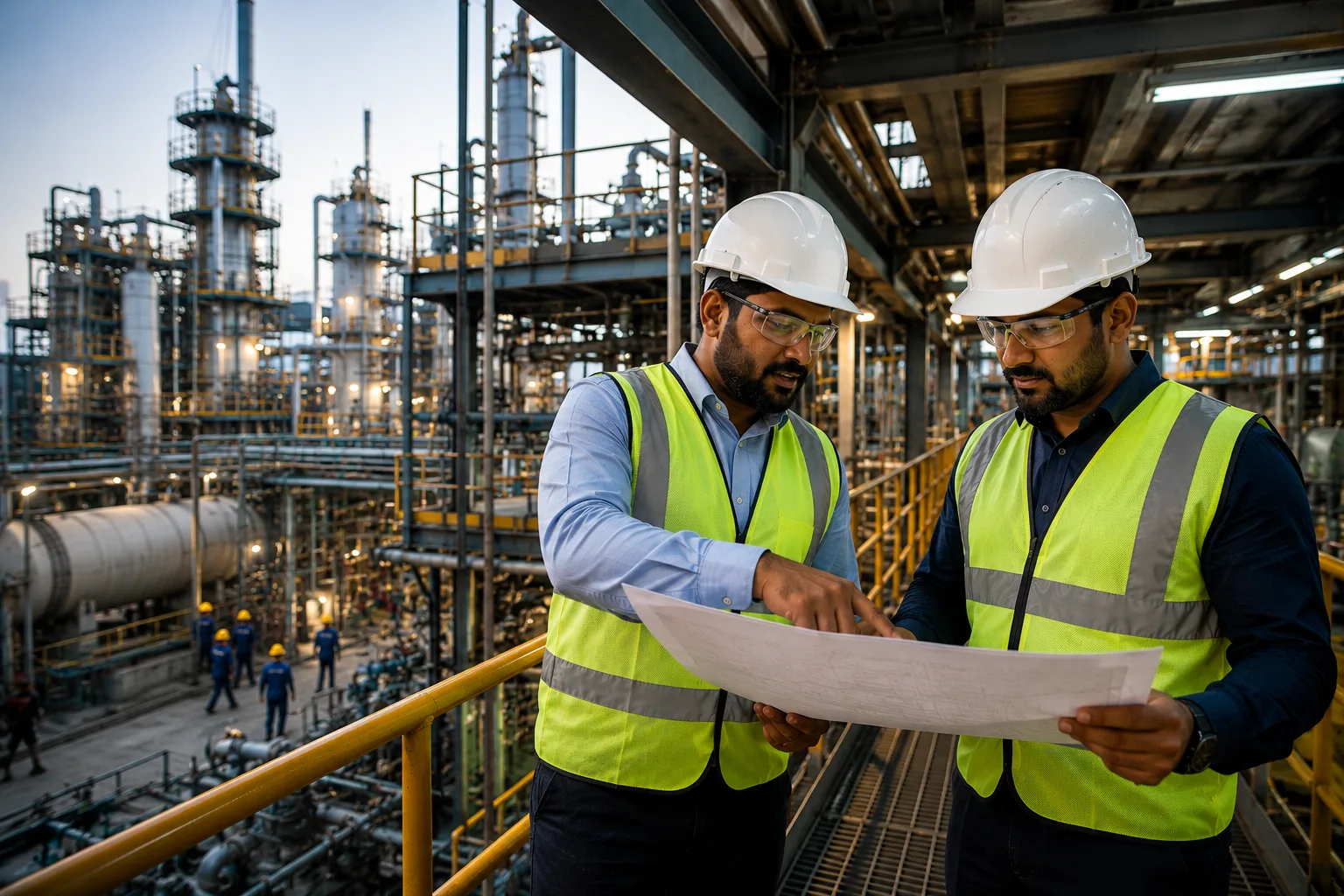
Construction inside or adjacent to operating industrial facilities changes the meaning of planning. The work must progress while respecting people, production, utilities, movement and assets that cannot simply be...
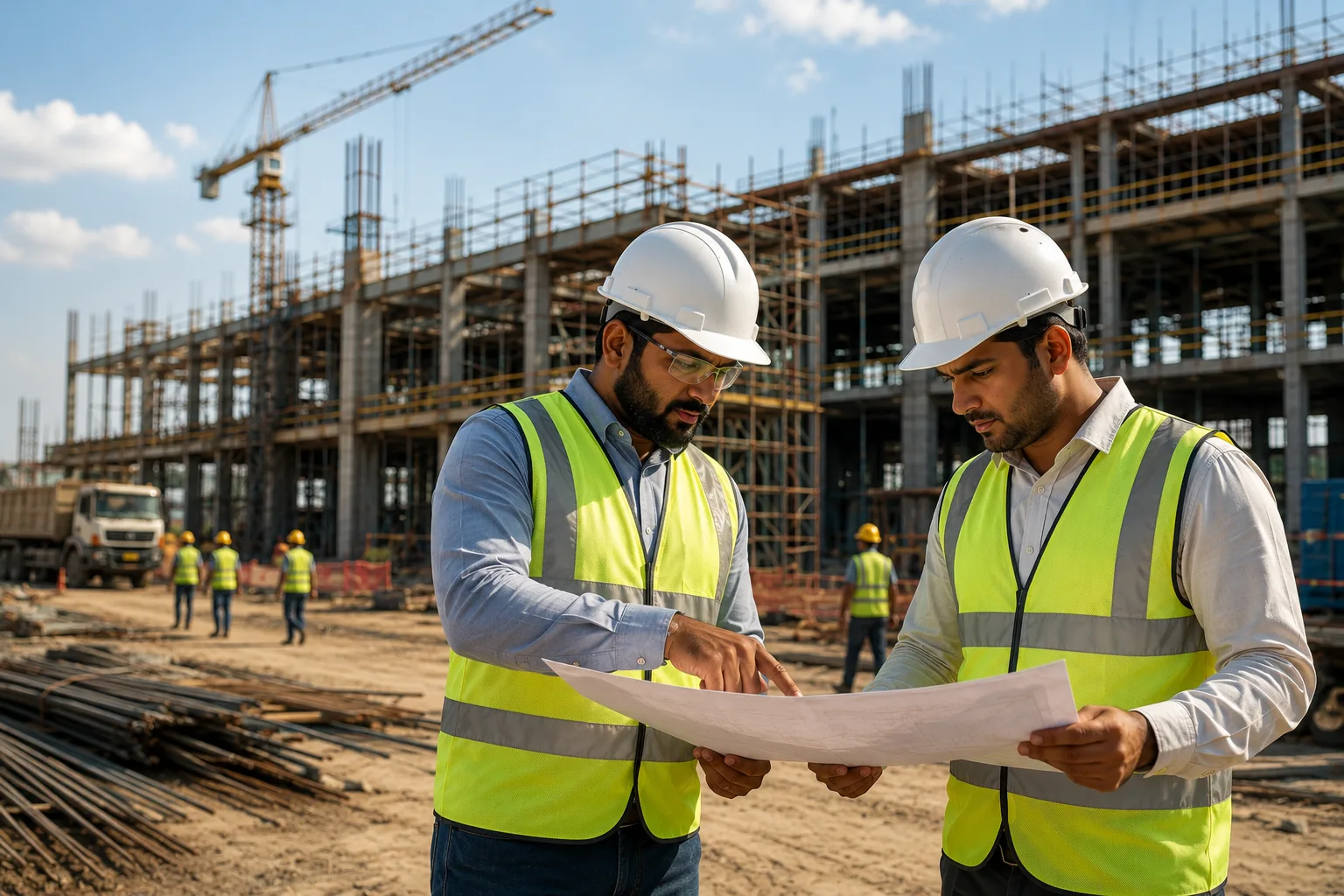
Project leadership is visible in the small disciplines that keep a site dependable: follow-through, coordination, ownership, communication and the willingness to take responsibility for outcomes.
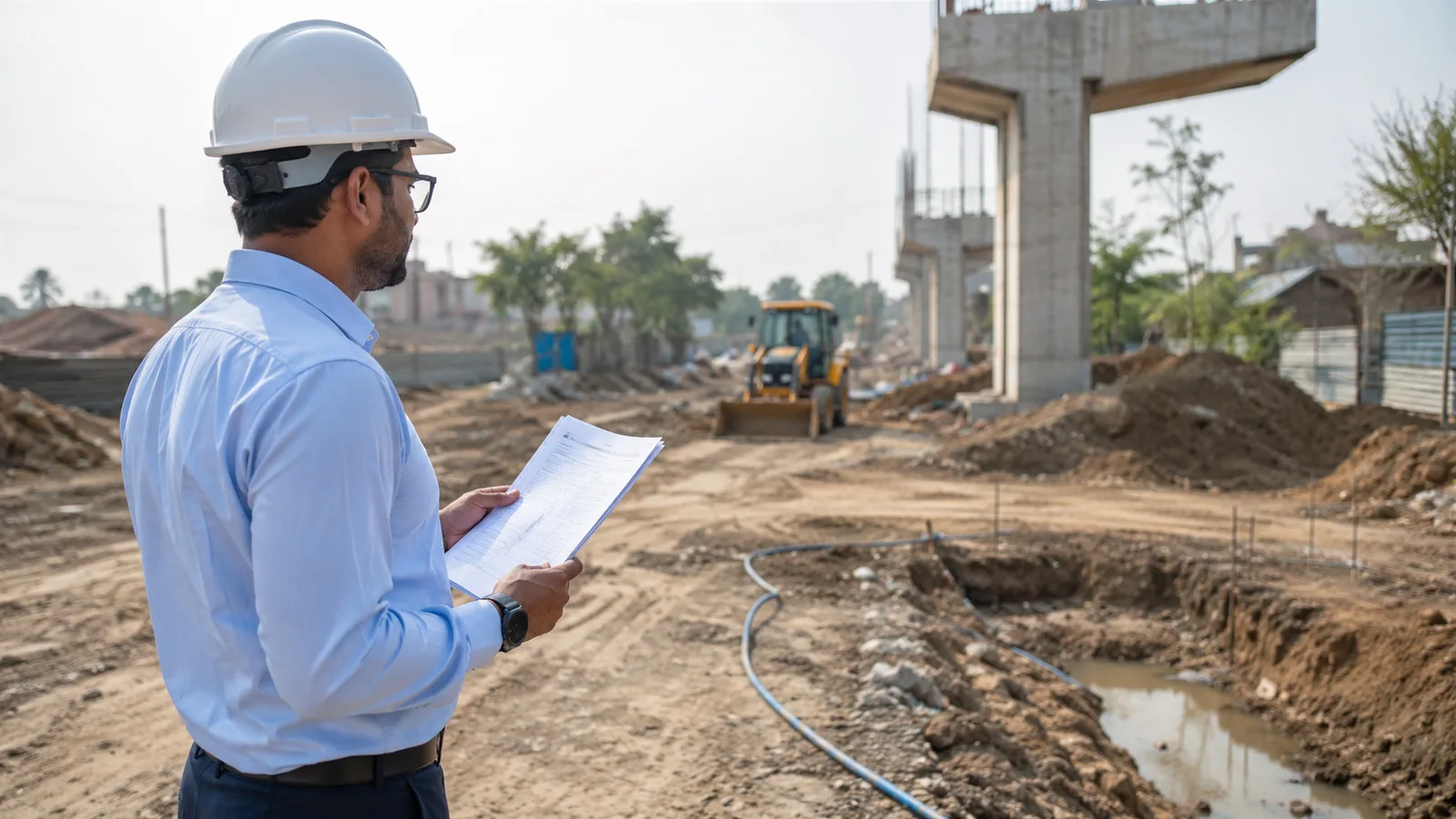
Instruction is not readiness. A workfront exists only when the people assigned to it can work safely, continuously and to the correct information.
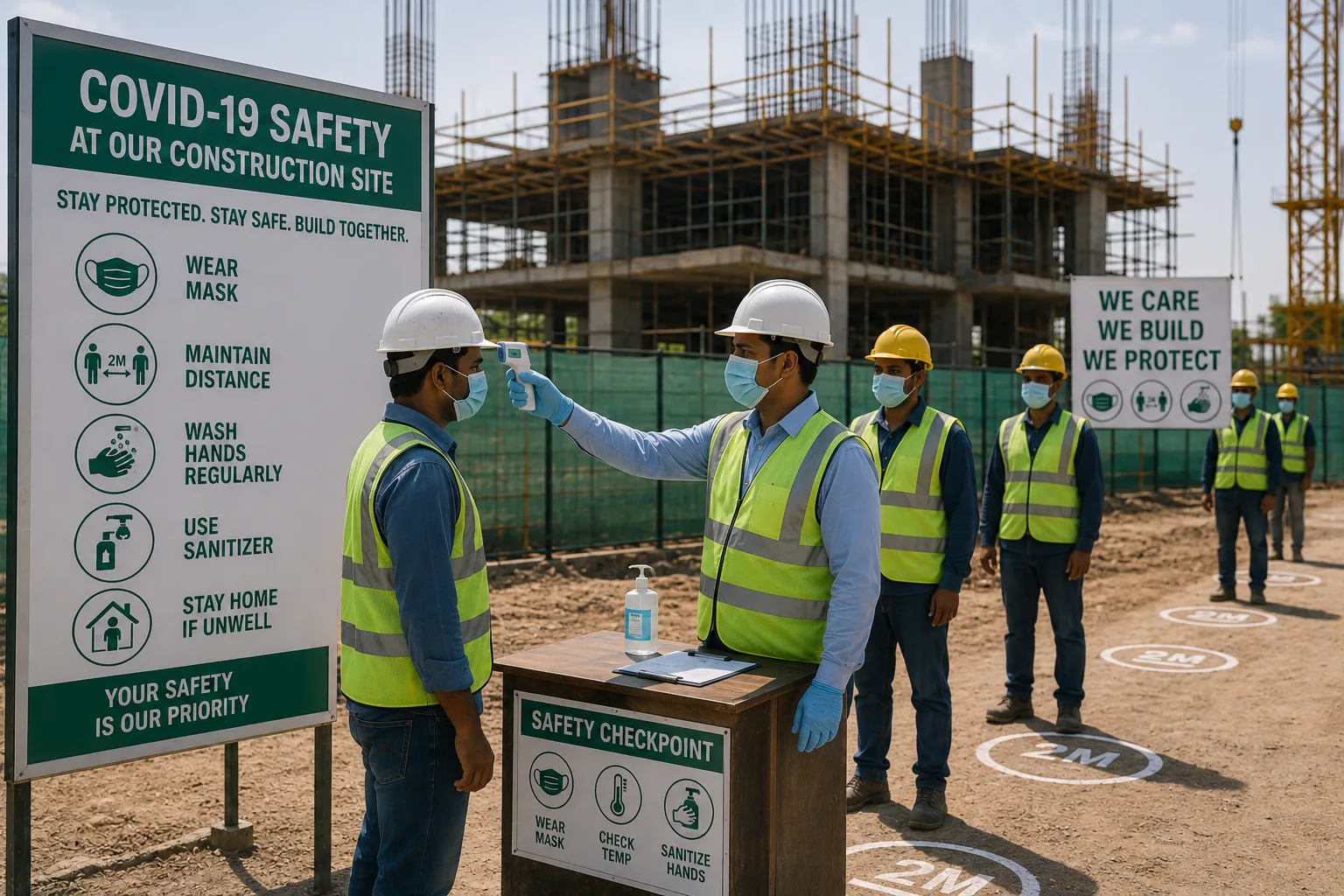
The pandemic forced construction organisations to rethink transport, entry controls, distancing, hygiene, suspected cases and workforce continuity. Although the immediate emergency has passed, the experience remains...
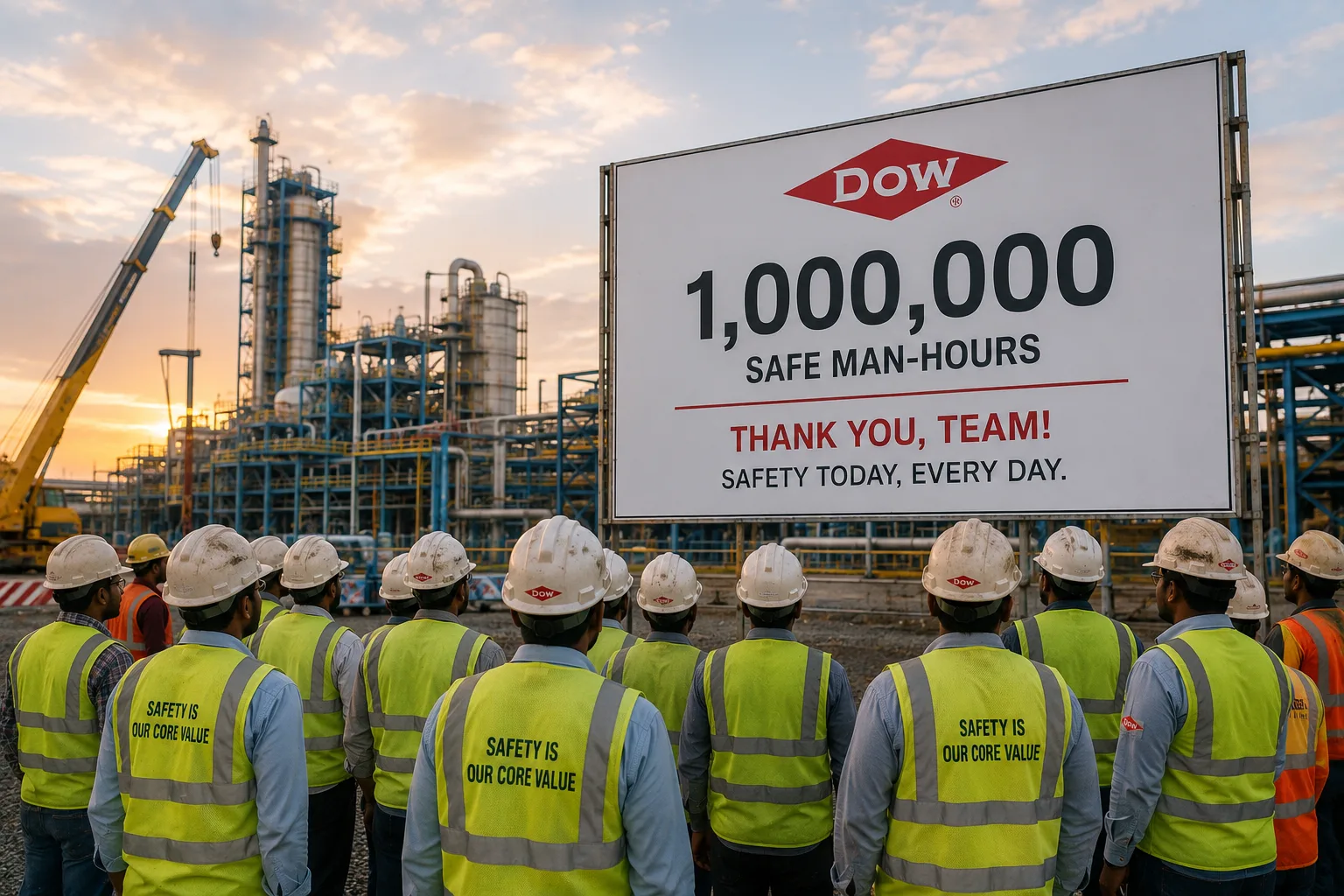
At an industrial project, safety performance is tested every day across manpower, lifting, work at height, civil activity, equipment movement and changing workfronts. Reaching one million safe construction man-hours...
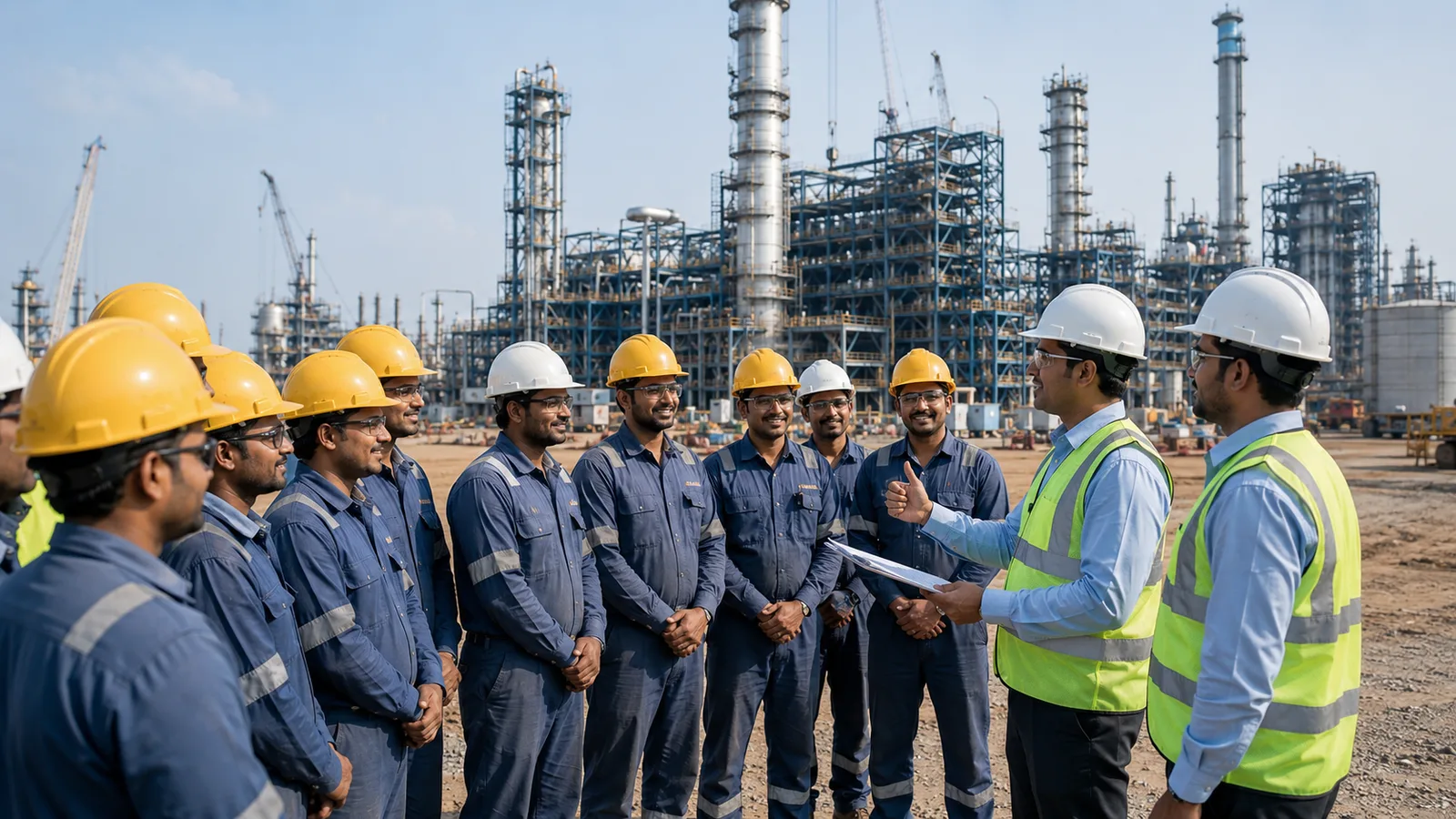
Achieving one million construction man-hours without a safety incident is not the result of one campaign or one inspection. It is the cumulative outcome of thousands of routine decisions made correctly across...
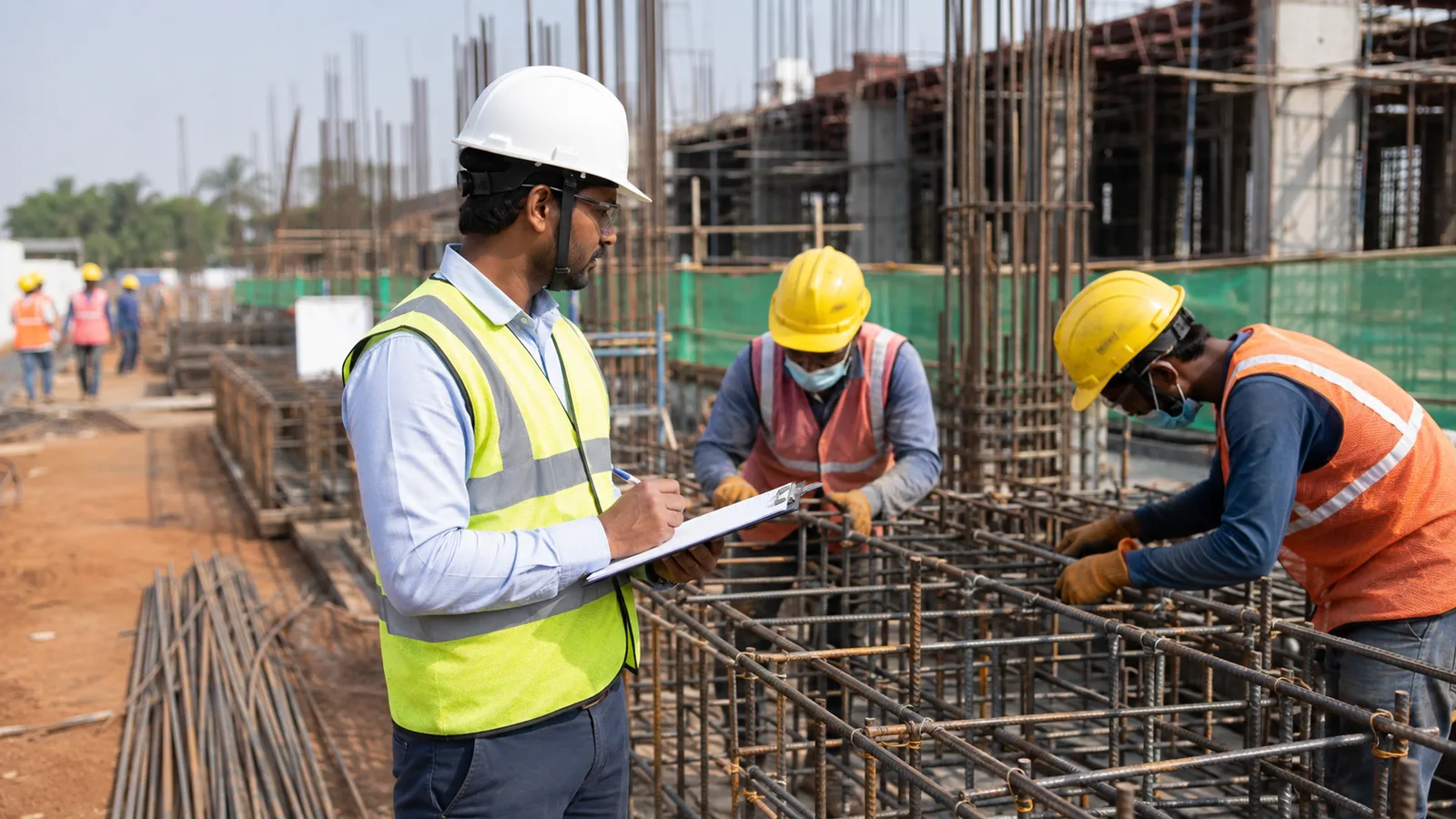
Commercial transparency does not begin at final billing. It is created throughout the project through clear quantities, measurements, change records, procurement visibility and timely communication of commercial impact.
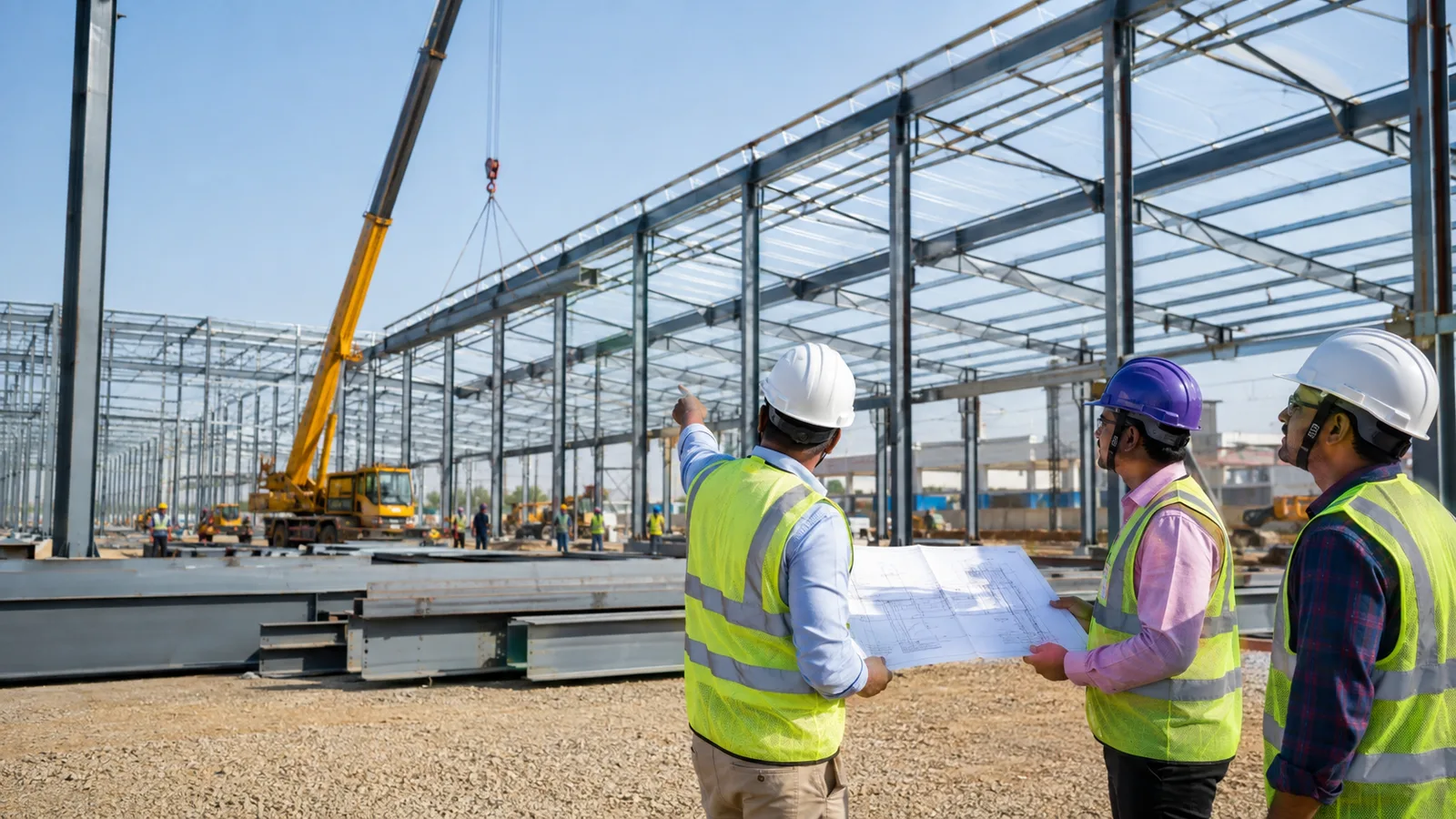
Pre-engineered buildings and structural steel reward disciplined planning. Fabrication, delivery, erection, temporary stability, crane access and follow-on envelope work must move as one coordinated sequence.
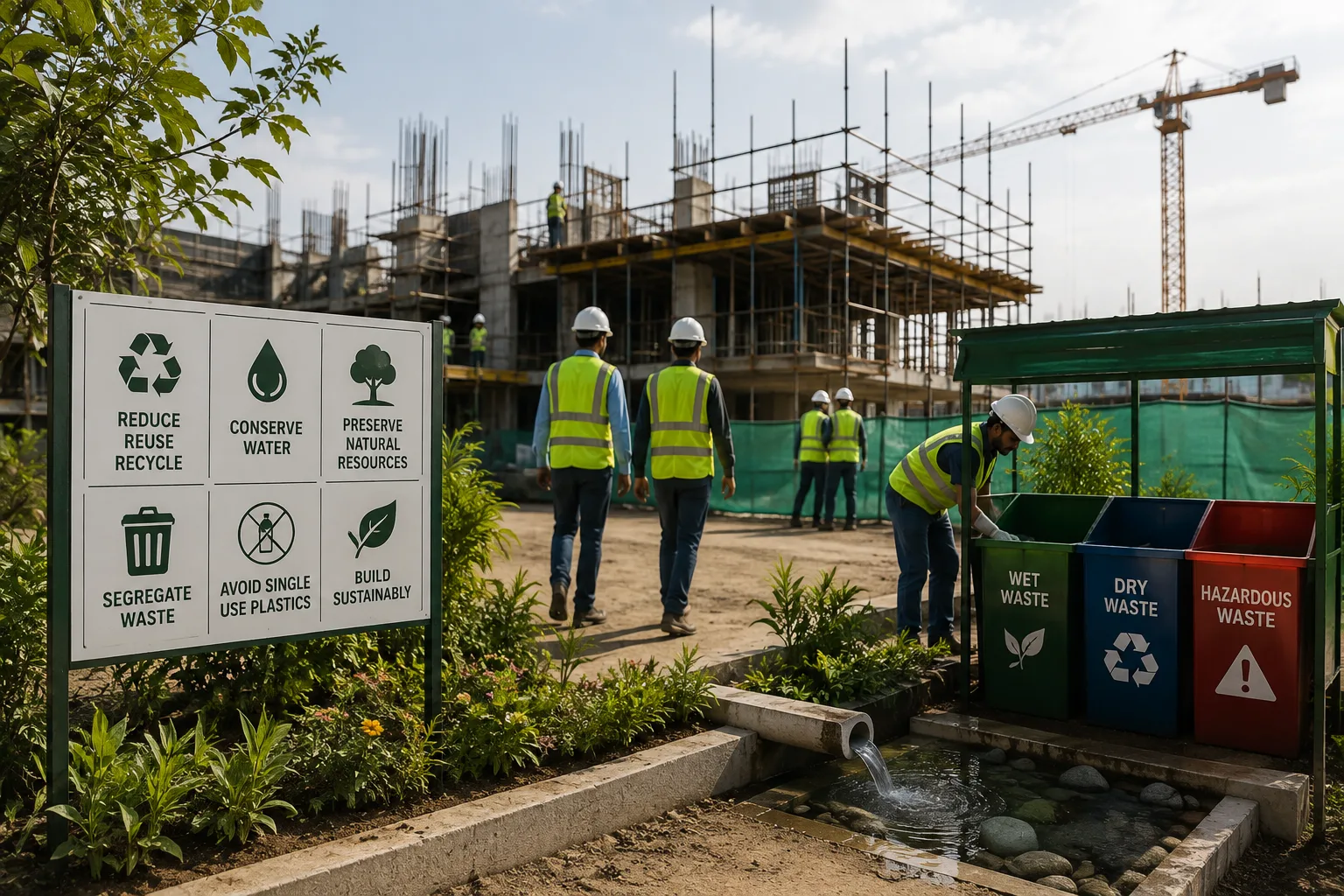
Construction sites are temporary, but their environmental impact can extend beyond the project boundary. Responsible execution manages waste, water, dust, noise, fuel, materials and housekeeping as part of daily site...
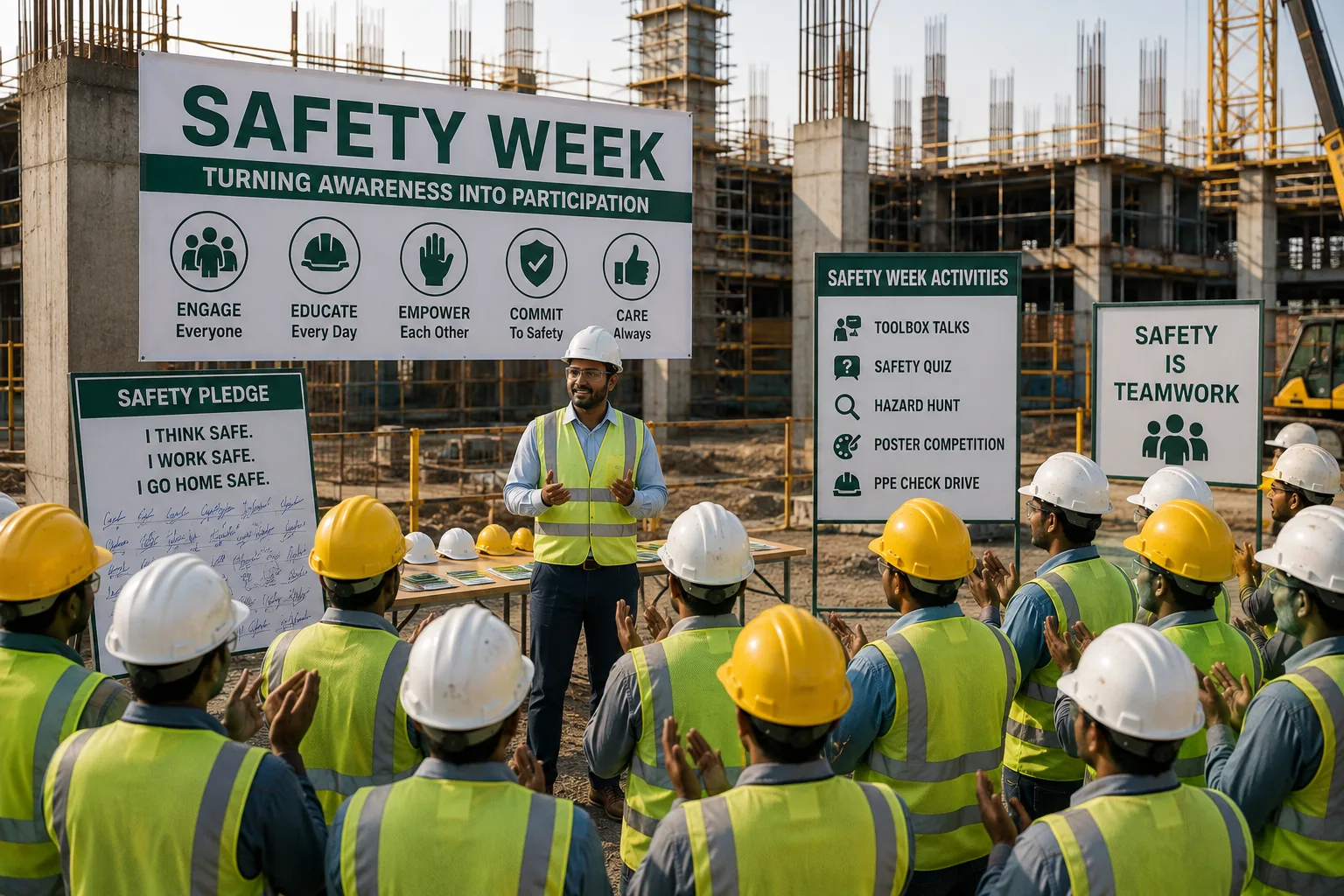
Safety Week is most valuable when it becomes more than posters and speeches. It can create participation, invite workers to discuss risk and reinforce behaviours that should continue throughout the year.
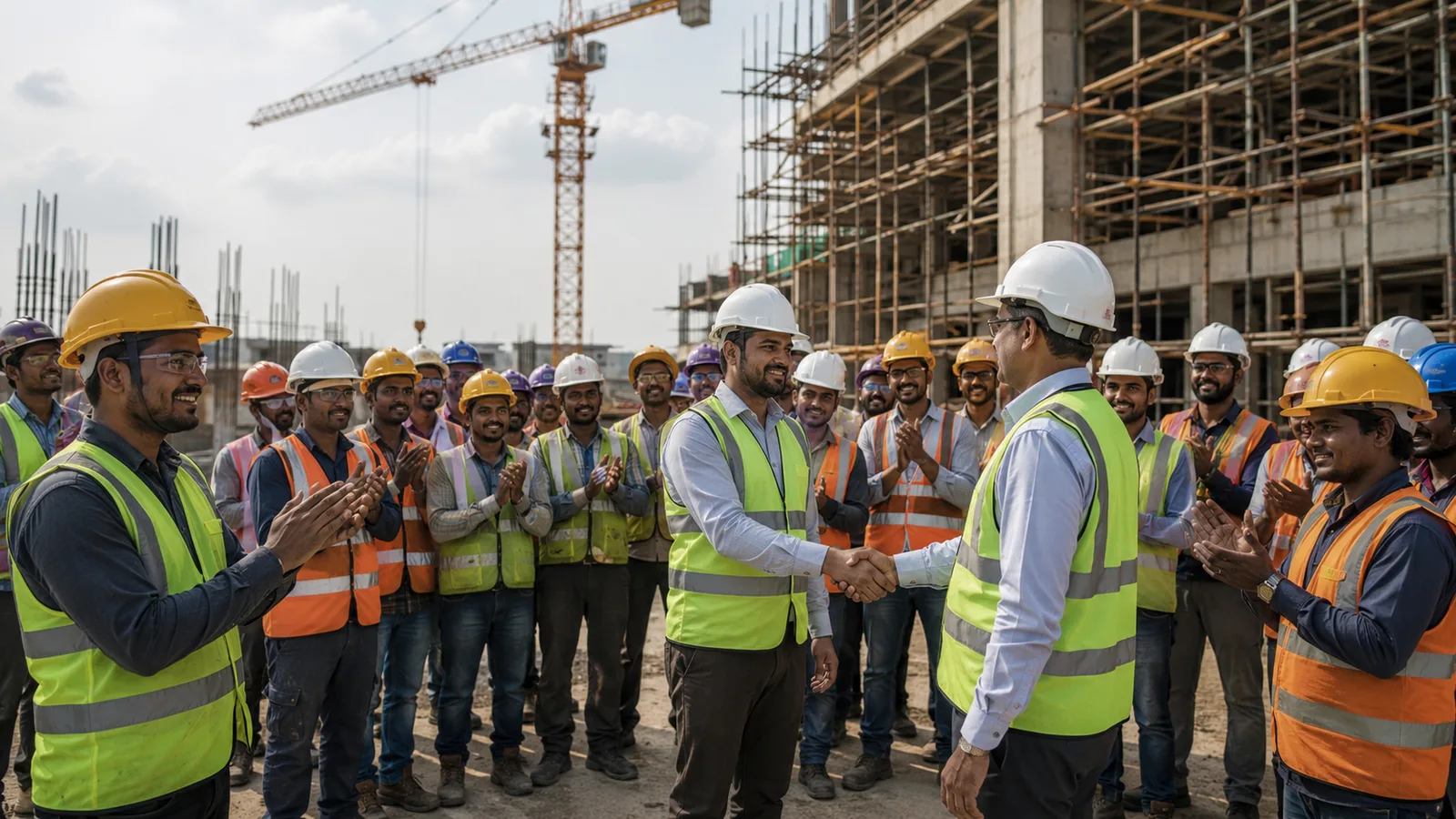
Complex projects are rarely delayed by one discipline acting alone. Problems emerge at the boundaries between civil, structural, architectural, mechanical, electrical, process and vendor packages.

Repeat work is one of the most demanding forms of endorsement in construction. A client who returns already knows the organisation's strengths, limitations, systems and behaviour under pressure.
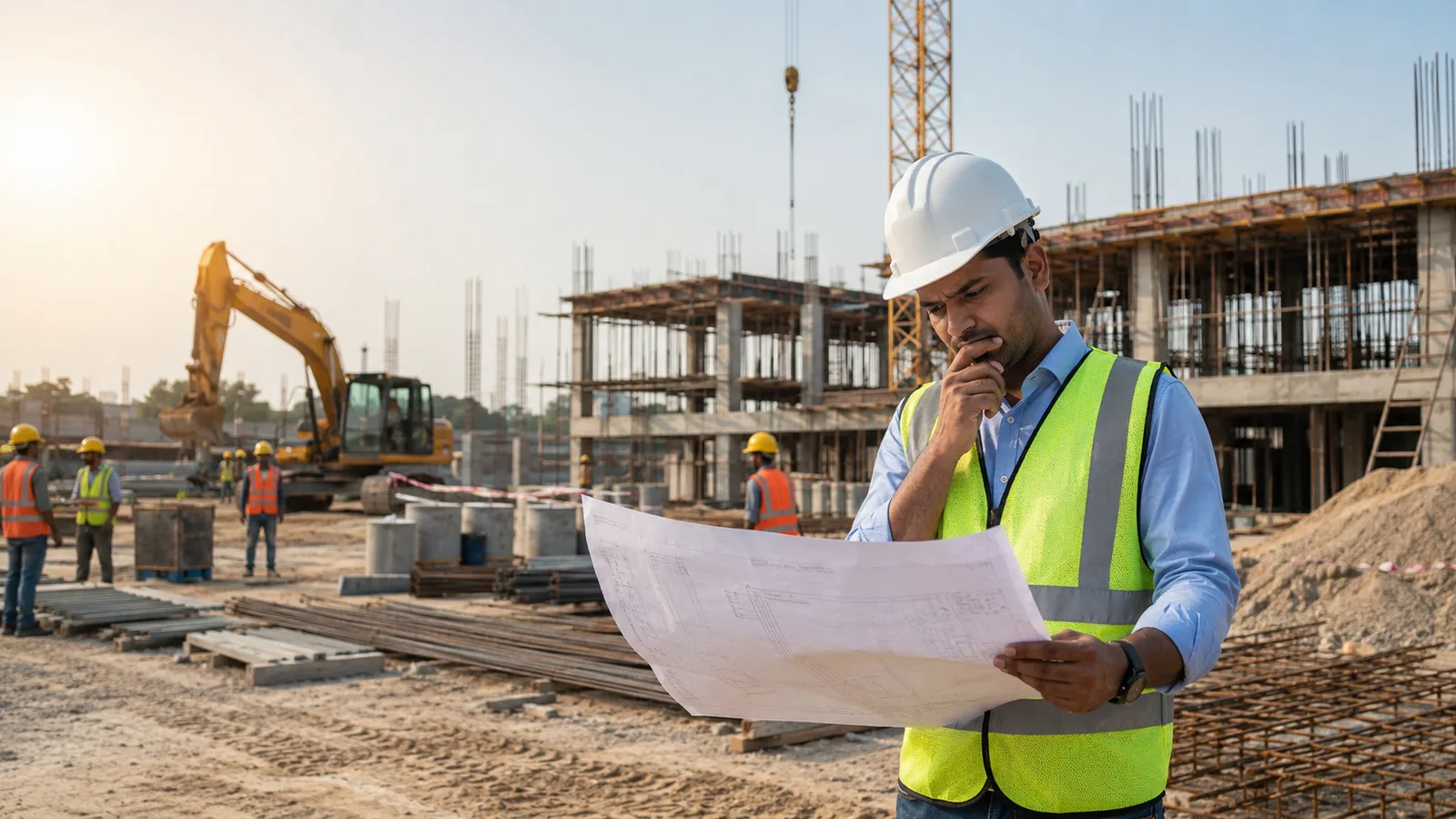
Mobilisation feels like progress because people, machinery and temporary facilities appear on site. Yet if the scope, drawings, interfaces and first workfronts are not clear, mobilisation can create cost without...
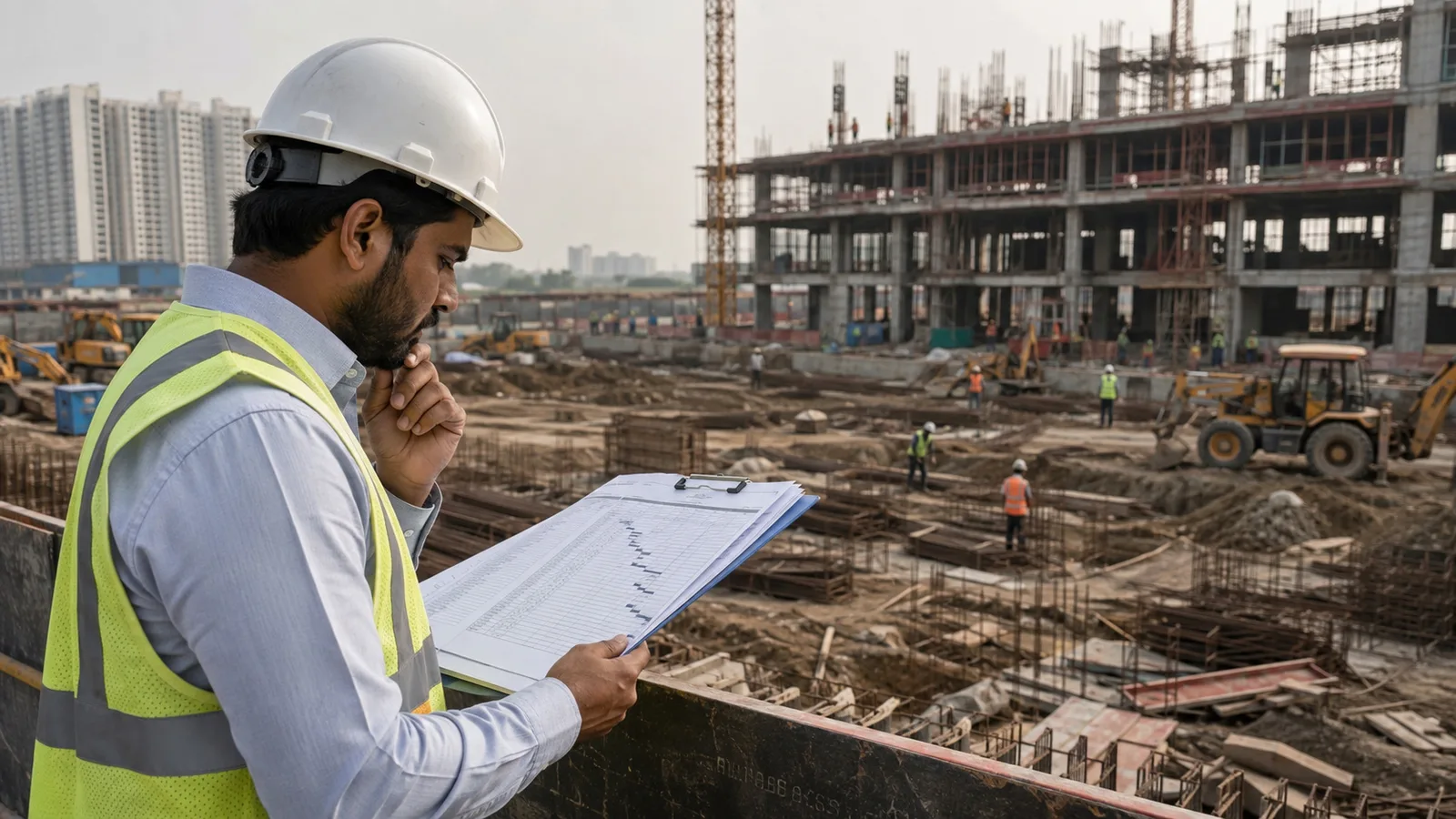
Site delays compound because activities are connected. A drawing held for a day can disturb inspections, subcontractor deployment and follow-on work for much longer.
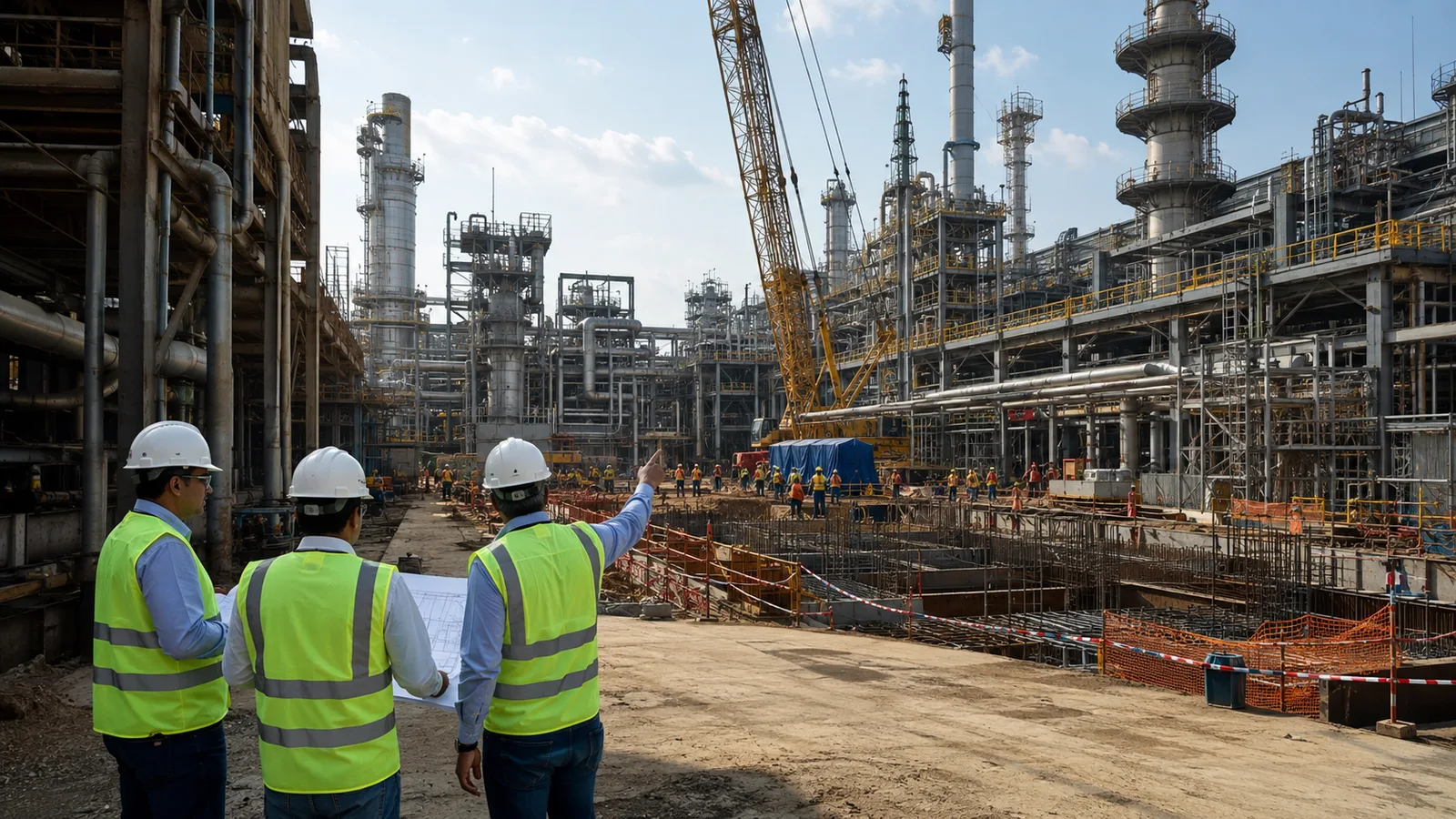
Plans, systems and dashboards matter, but construction outcomes are ultimately shaped where the work happens. Strong site leadership connects the project plan with daily decisions, people, safety, quality and client...
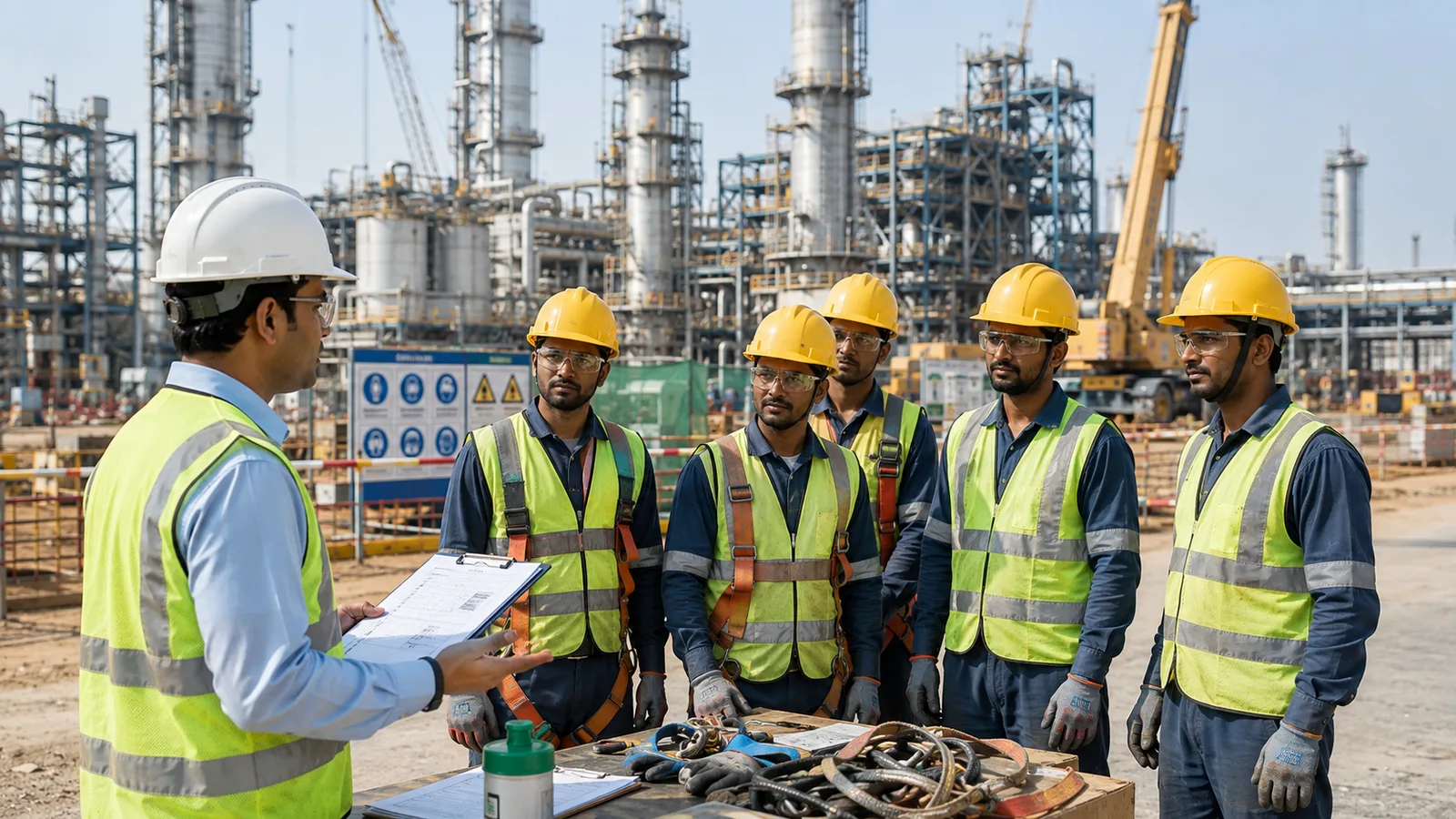
A policy has value only when a worker can see its effect at the workfront. The path from policy to practice passes through responsibility, training, risk assessment, permits, supervision, inspection and corrective...
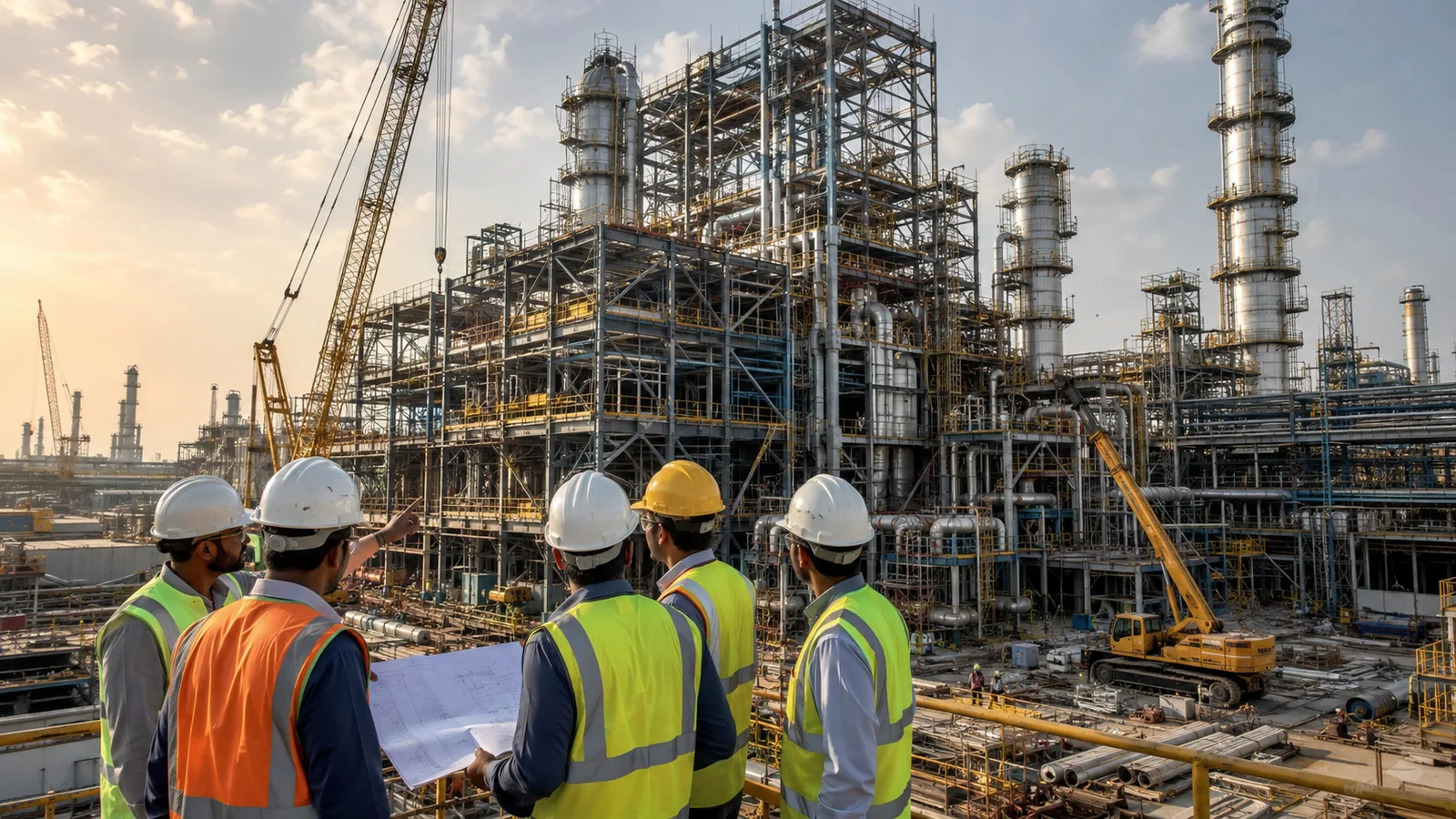
Industrial construction is not simply larger civil work. It is the coordinated delivery of structures, utilities, process interfaces, equipment needs, safety systems, production constraints and commissioning...
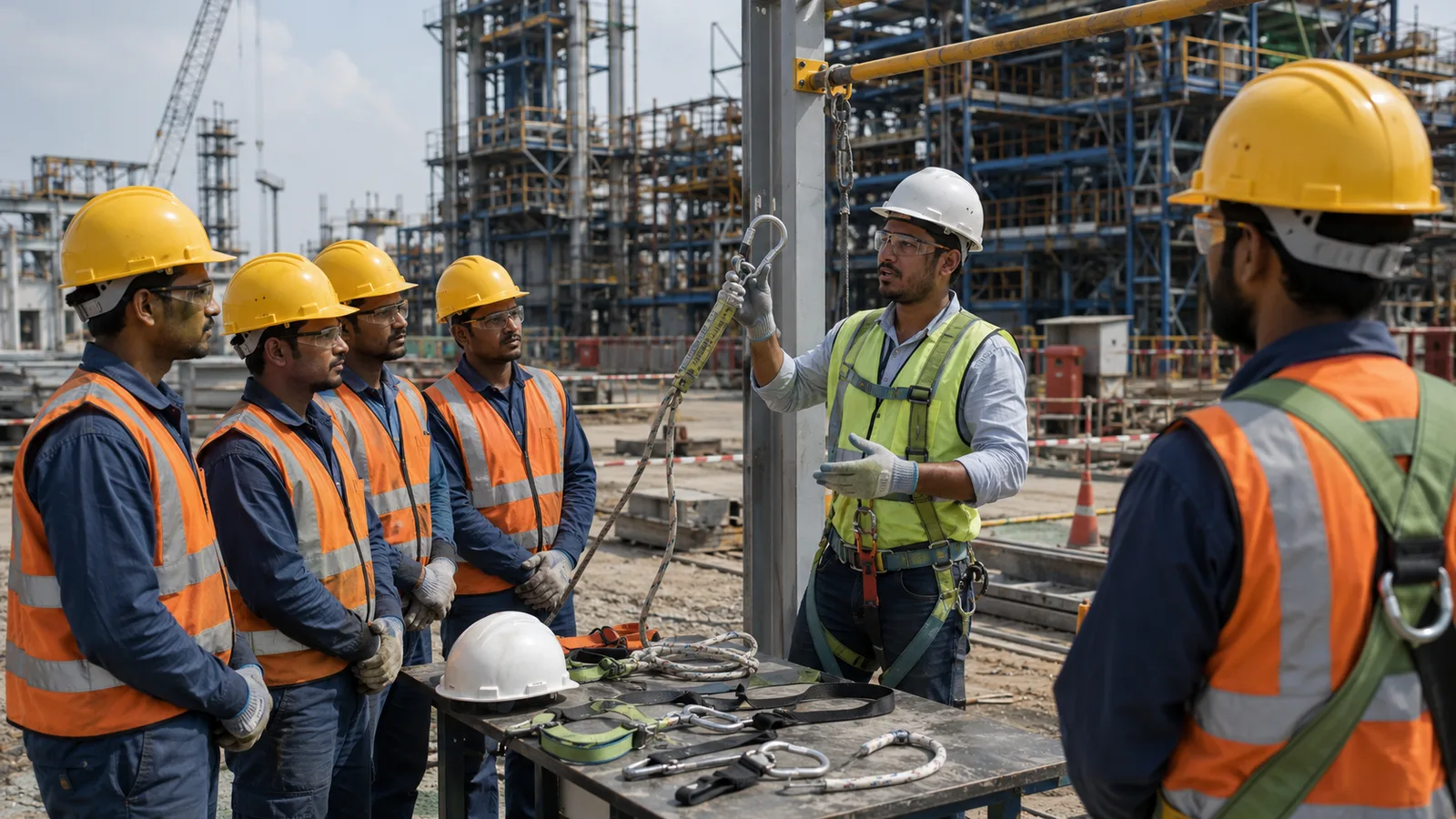
Construction risks change with task, location, equipment and stage of the project. Safety training therefore has to go beyond induction and continue throughout execution.
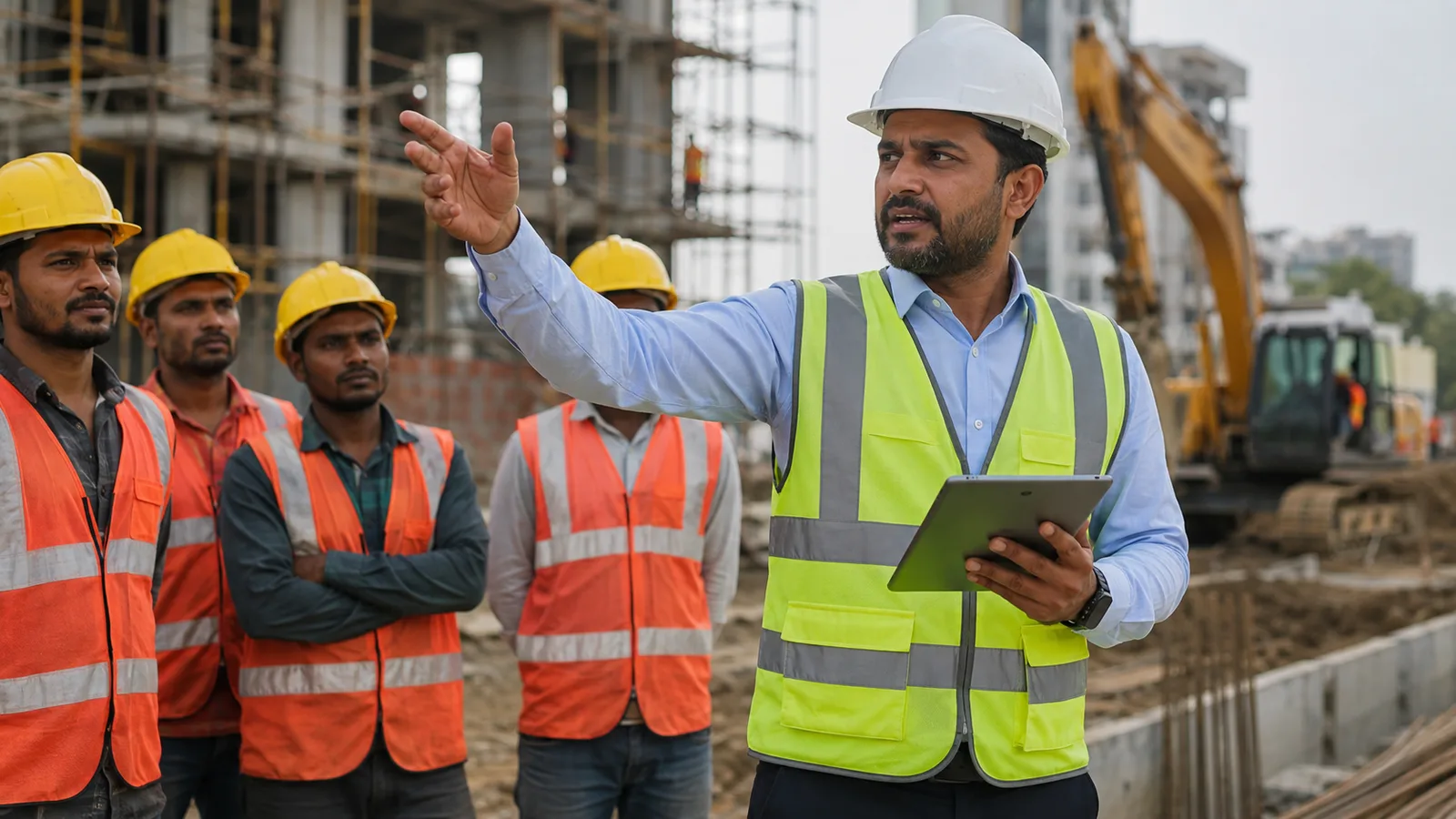
A programme can be logically correct on paper and still be difficult to build. Constructability-led planning asks a more practical question: can the planned sequence actually be executed with the available access,...
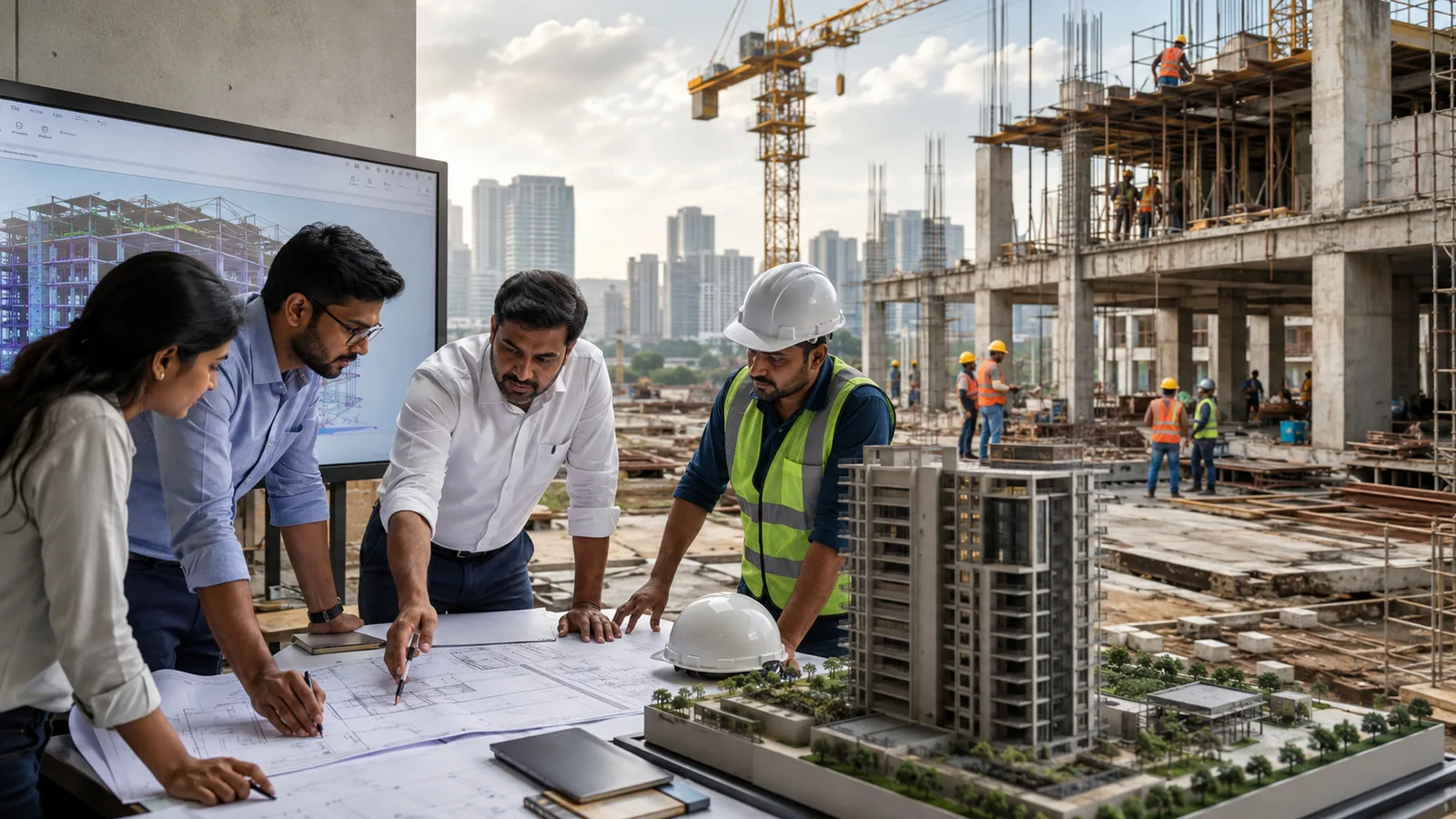
Design and construction perform best when they are not managed as isolated phases. Design and Build creates an opportunity to make engineering decisions with constructability, procurement, sequence and site...
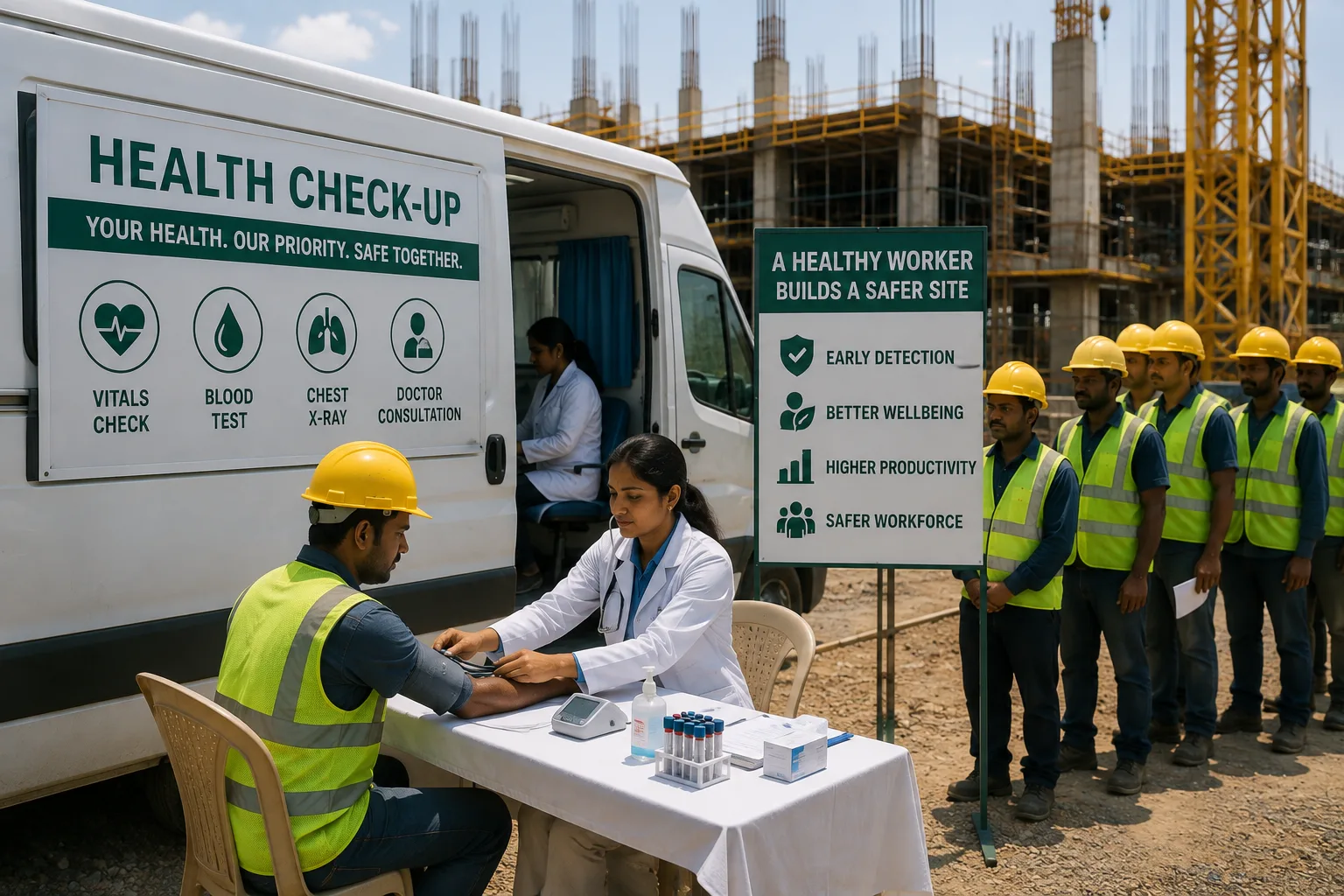
Worker health influences alertness, fitness for task and long-term wellbeing. Periodic health initiatives therefore belong within a broader safety culture, particularly on projects with physically demanding work.
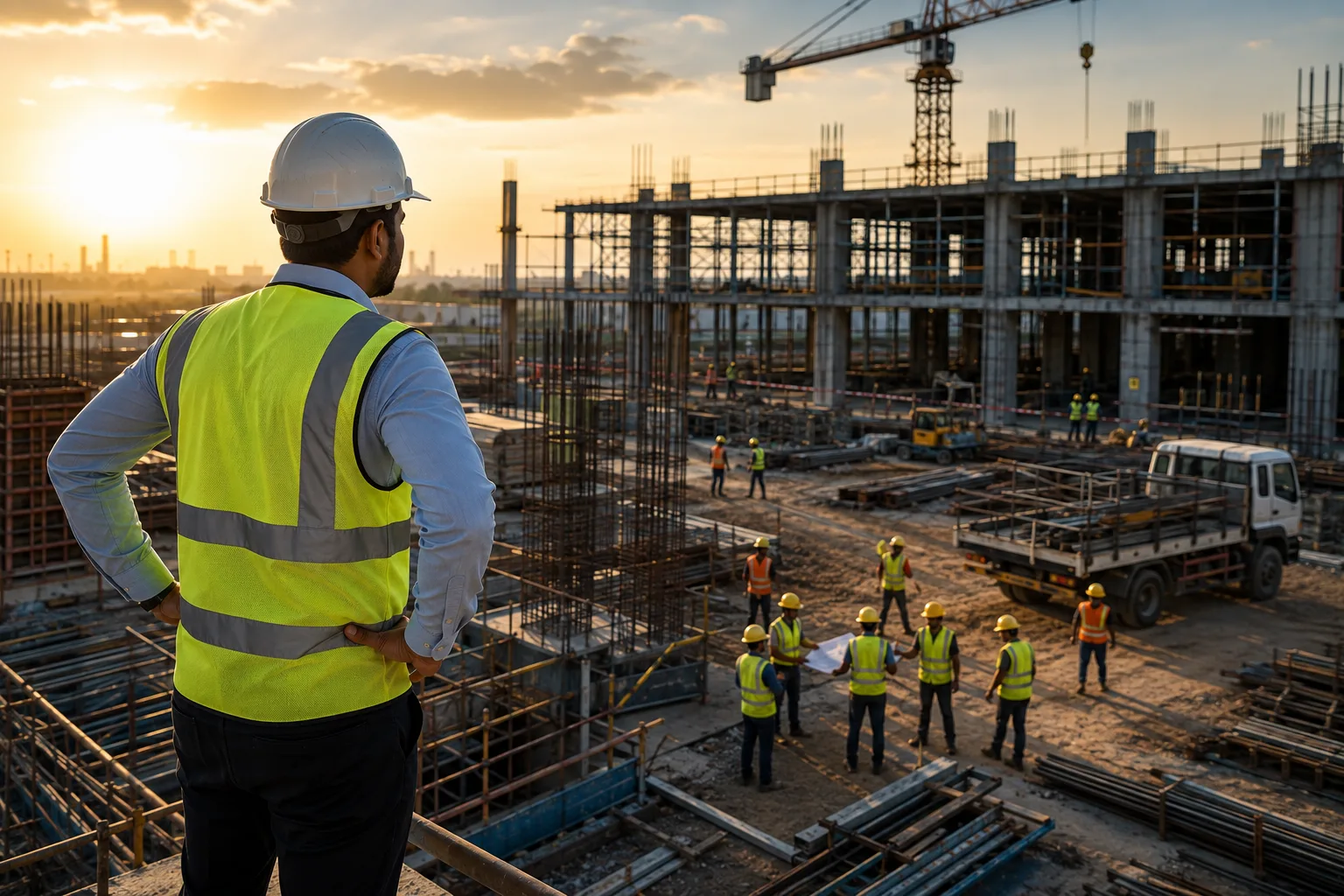
Leadership in construction is not built only behind desks or inside meeting rooms. It develops on site, where decisions carry consequences, coordination affects people immediately and responsibility cannot be...
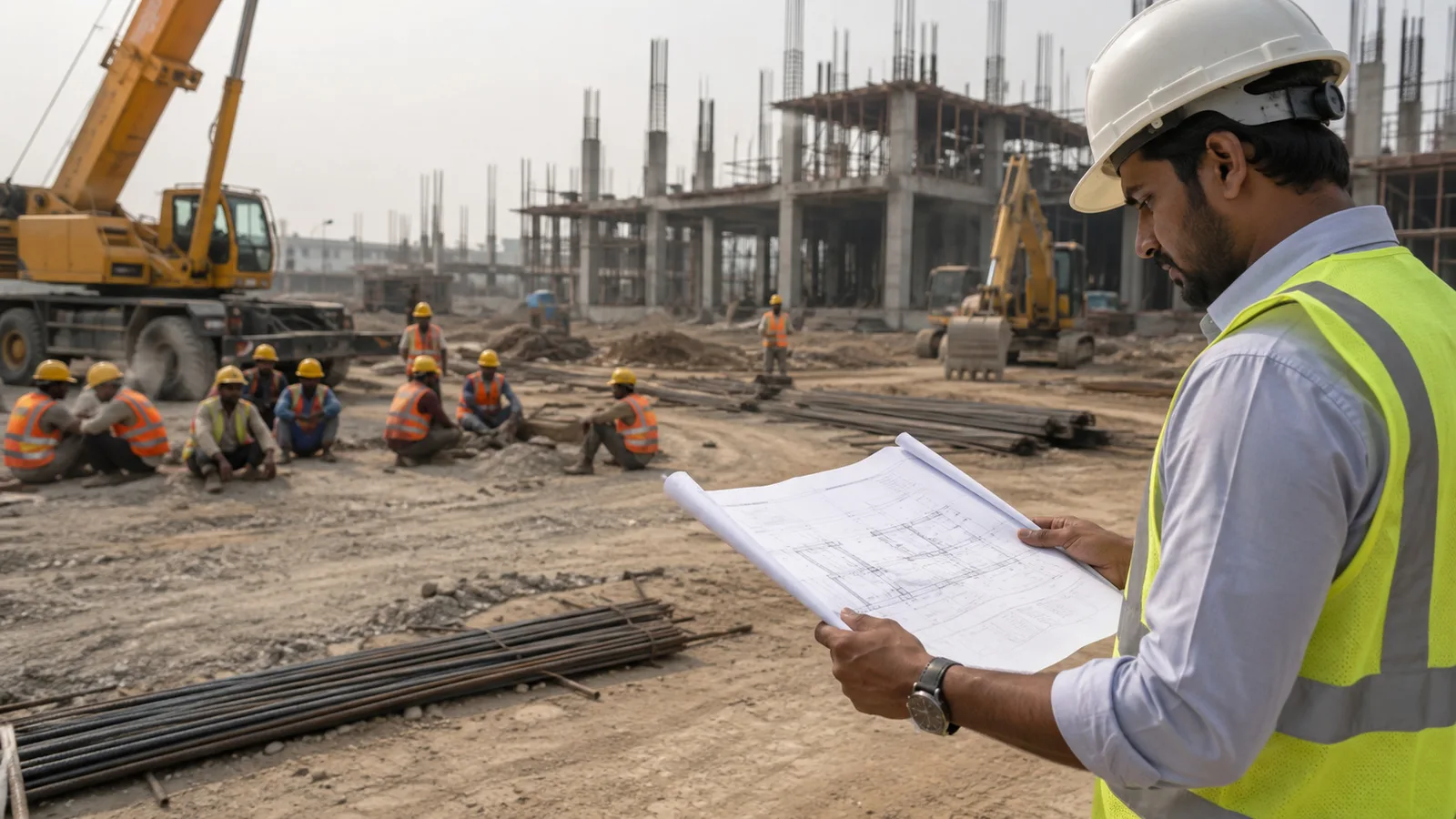
Idle manpower is easy to see. The planning failure that created it is often less visible. Good construction management follows the constraint upstream.
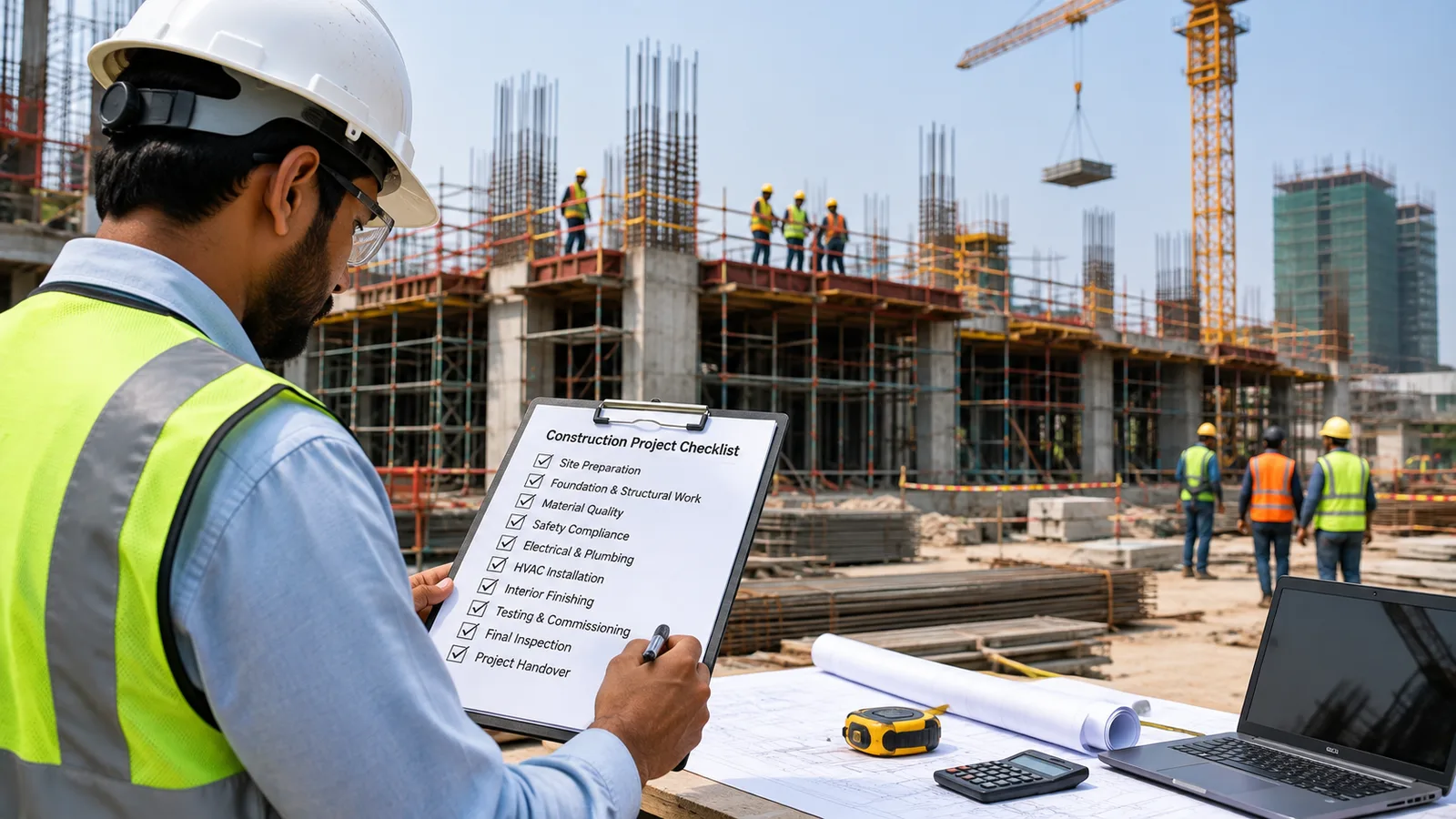
Experienced teams still use checklists because complexity creates memory failure. A checklist does not replace competence. It protects the team from missing repeatable controls while attention is divided across many...
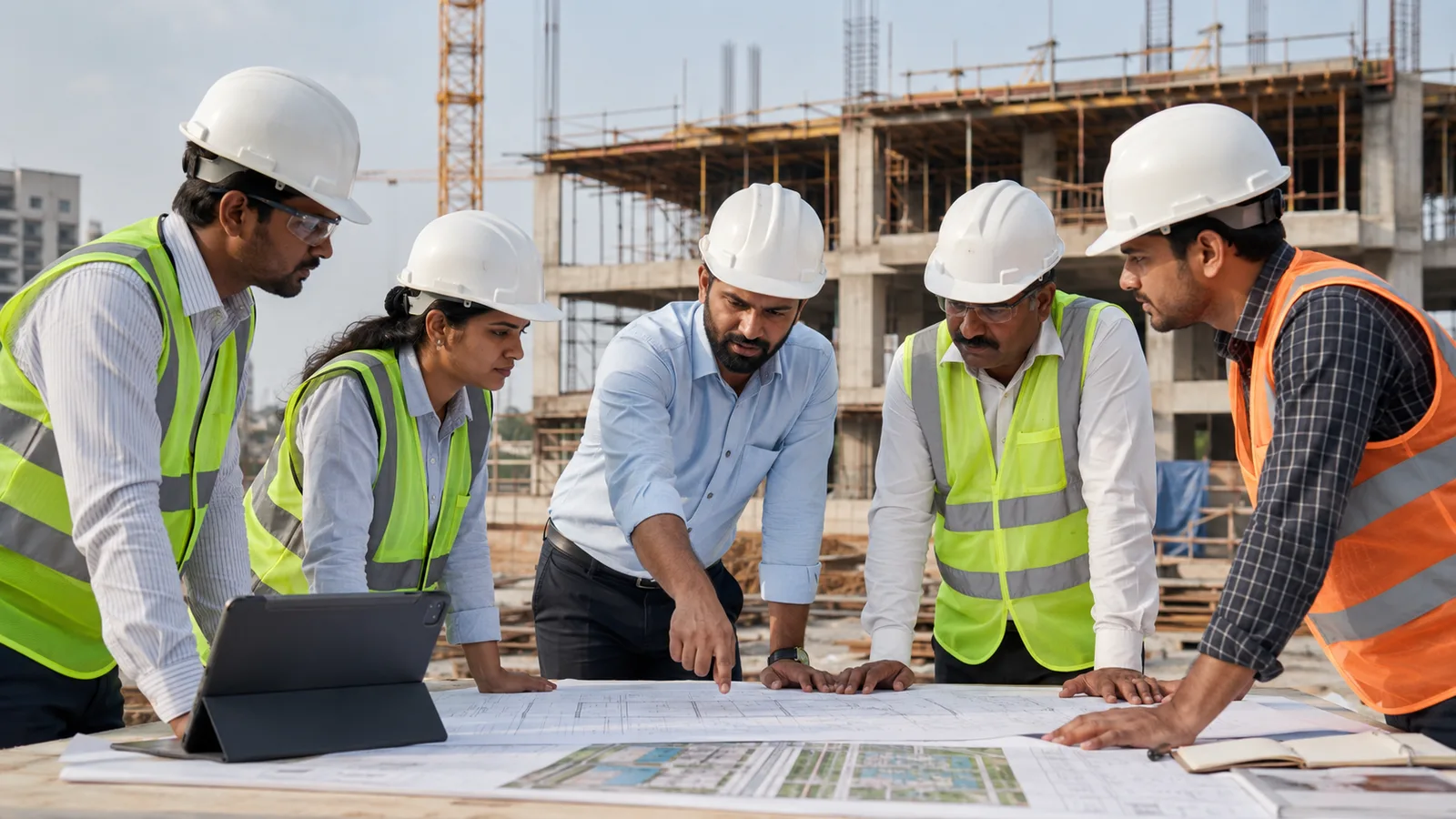
Quality and safety are often managed through separate checklists, yet both depend on the same foundation: planned work, competent people, correct methods, controlled conditions and disciplined supervision.
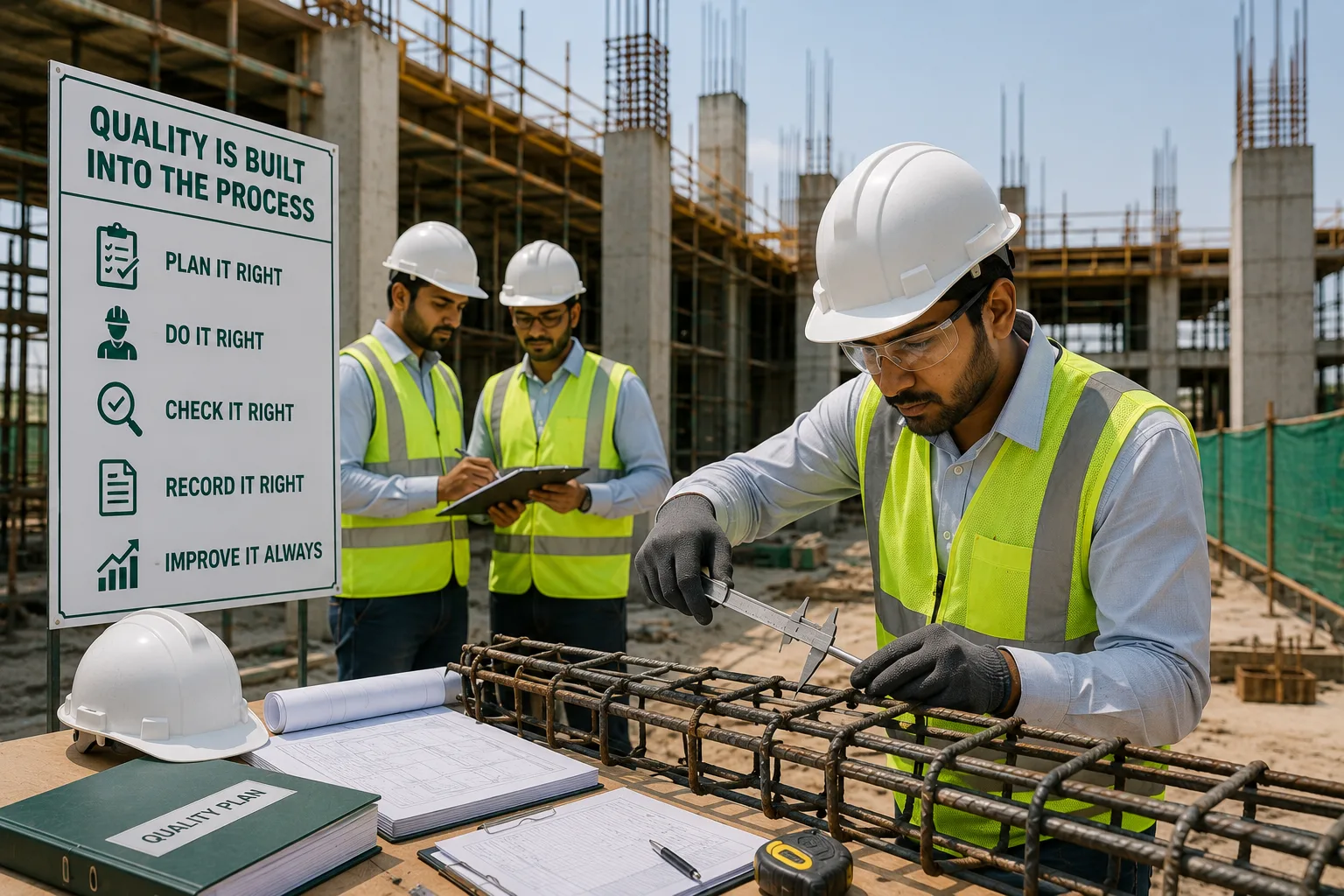
Final inspection can identify a defect, but it cannot recover the programme, hidden work or material already consumed. Quality is strongest when the method, materials, workmanship and inspection points are controlled...